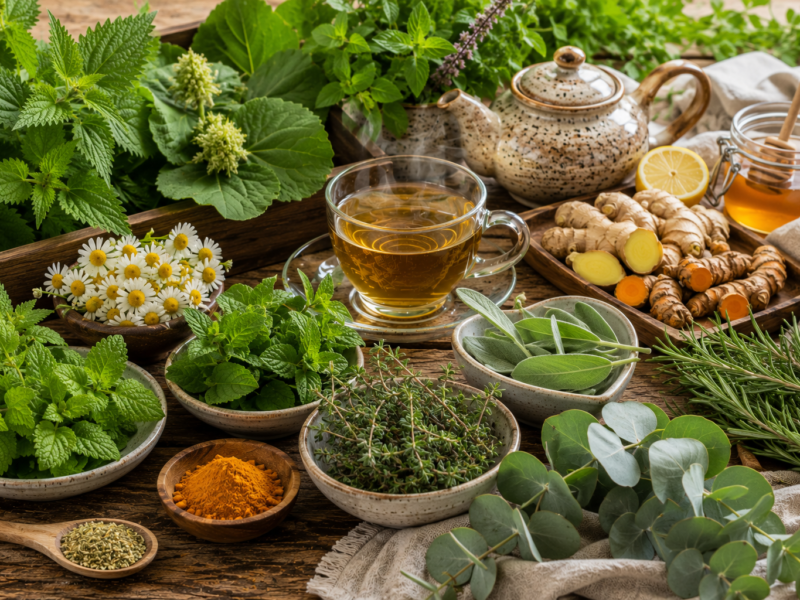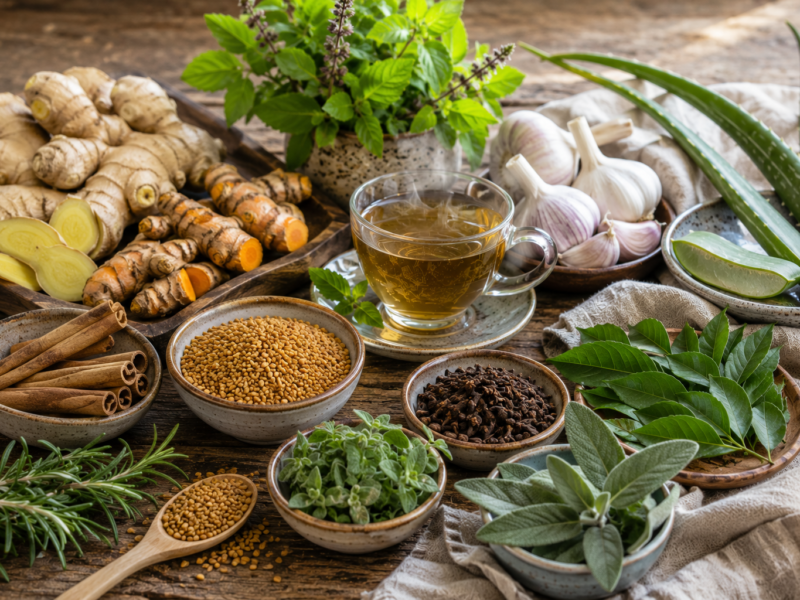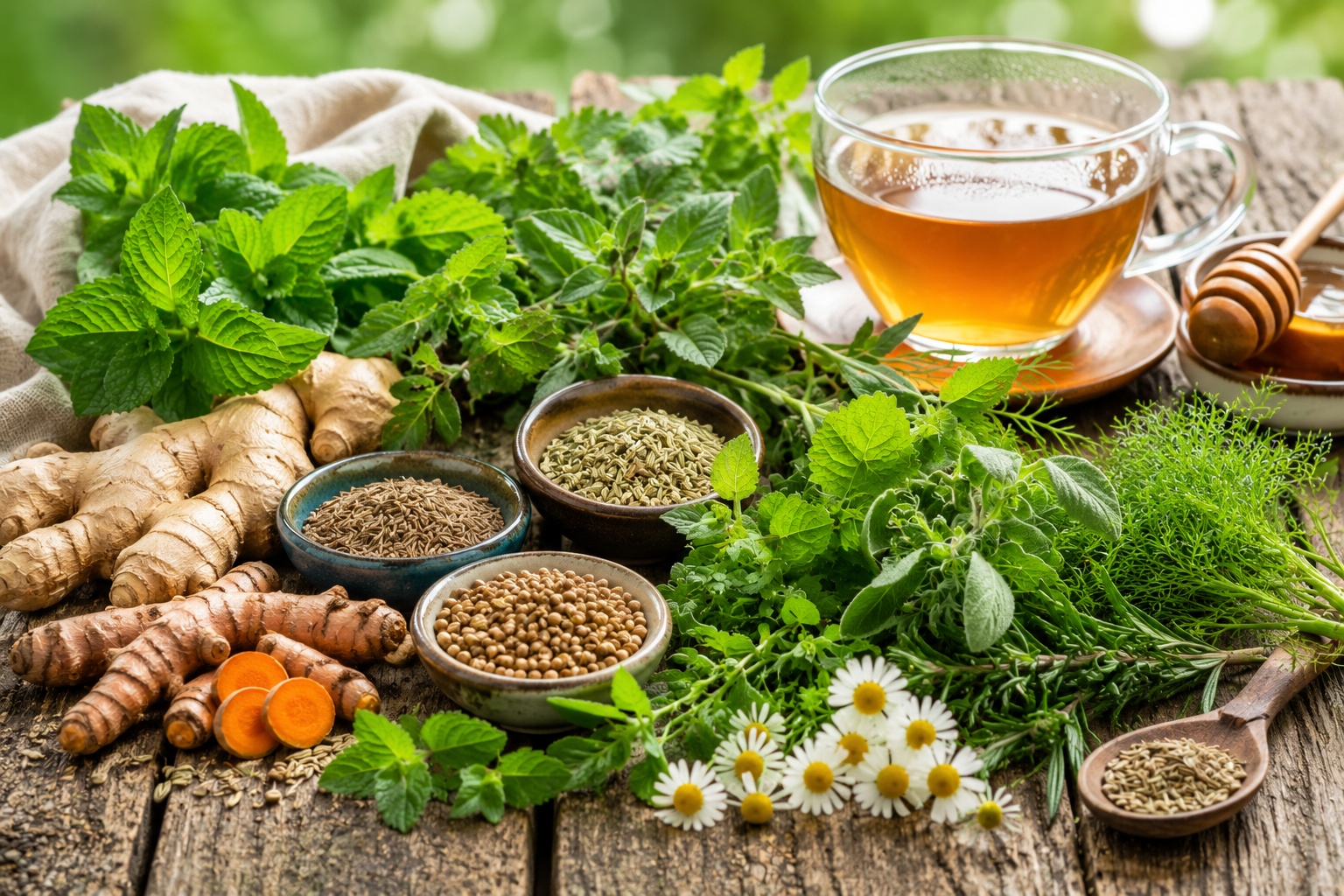
A healthy digestive system plays an important role in your overall well-being. When digestion works efficiently, your body absorbs nutrients more effectively and helps maintain daily energy levels. However, factors such as poor eating habits, stress, dehydration, and lack of physical activity can sometimes lead to digestive discomfort. Fortunately, many traditional herbs have been used for generations to support digestive wellness.
If you are looking for the best herbs for better digestion, there are several natural options that may help promote digestive comfort as part of a balanced lifestyle. While herbs should not replace medical treatment for digestive diseases, they can complement healthy habits when used appropriately.
Why Herbs Can Support Digestive Health
Many herbs contain natural plant compounds that have traditionally been used to ease occasional digestive discomfort. Some herbs are commonly enjoyed as teas, while others are added to meals or used as spices. In addition to providing flavor, these herbs may contribute to a healthy digestive routine when combined with a nutritious diet.
Choosing the best herbs for better digestion is only one part of maintaining gut health. Eating fiber-rich foods, drinking enough water, exercising regularly, and managing stress are equally important.
1. Ginger
Ginger is one of the most popular digestive herbs worldwide. It has been used in traditional wellness practices for centuries. Fresh ginger can be added to tea, soups, smoothies, or stir-fries. Many people enjoy ginger tea after meals because it provides a warming and refreshing flavor.
2. Peppermint
Peppermint is well known for its cooling aroma and refreshing taste. Herbal peppermint tea is commonly enjoyed after meals and has long been used in traditional digestive practices. Fresh peppermint leaves are also easy to grow at home and can be added to beverages or salads.
3. Fennel
Fennel seeds are frequently consumed after meals in many cultures. They have a mild licorice flavor and are often chewed directly or brewed into herbal tea. Fennel is a popular choice among people looking for natural digestive support.
4. Chamomile
Chamomile flowers are commonly dried to prepare herbal tea. Many people drink chamomile tea in the evening because of its gentle taste and relaxing qualities. It is also traditionally enjoyed after meals as part of a digestive routine.
5. Mint
Fresh mint leaves are valued for their refreshing flavor and versatility. Mint is widely used in teas, chutneys, salads, and beverages. Keeping a mint plant at home allows you to enjoy fresh leaves whenever needed.
6. Turmeric
Turmeric is a bright yellow spice that contains curcumin, a natural compound that has been widely studied. Adding turmeric to soups, curries, rice dishes, or warm milk is an easy way to include it in your daily diet.
7. Cumin
Cumin is a common kitchen spice with a warm, earthy flavor. It is widely used in Asian, Middle Eastern, and Mediterranean cooking. Many traditional recipes include cumin to enhance both flavor and digestive comfort.
8. Coriander
Coriander seeds and fresh coriander leaves are commonly used in home cooking. Besides adding freshness to meals, coriander has long been appreciated in traditional herbal practices.
9. Holy Basil (Tulsi)
Holy basil, also called Tulsi, is highly valued in traditional herbal systems. Tulsi tea is a popular beverage that many people enjoy daily as part of a healthy lifestyle.
10. Lemon Balm
Lemon balm belongs to the mint family and produces fragrant leaves with a pleasant citrus scent. It is often prepared as a calming herbal tea and grows well in containers.
11. Rosemary
Rosemary is a fragrant evergreen herb that enhances the flavor of roasted vegetables, chicken, and soups. It is easy to grow and requires little maintenance once established.
12. Dill
Dill is another useful culinary herb known for its light, fresh taste. It pairs well with yogurt dishes, salads, vegetables, and seafood. Fresh dill can also be grown in home gardens or containers.
Tips for Using Digestive Herbs
Adding herbs to your daily meals is one of the easiest w
ays to enjoy their natural benefits. You can also prepare herbal teas using fresh or dried herbs.
Some practical ways to include digestive herbs are:
- Add ginger to warm tea.
- Sprinkle fresh mint on salads.
- Use turmeric in curries and soups.
- Brew chamomile tea after dinner.
- Add rosemary to roasted vegetables.
- Season meals with cumin and coriander.
- Enjoy fennel seeds after meals if appropriate for your diet.
Combining herbs with balanced nutrition helps support digestive wellness over time.
Healthy Habits That Improve Digestion
Although herbs are helpful additions, lifestyle habits remain the foundation of digestive health.
You can support your digestive system by:
- Eating plenty of fruits and vegetables.
- Choosing whole grains.
- Drinking enough water throughout the day.
- Eating slowly and chewing food well.
- Exercising regularly.
- Limiting highly processed foods.
- Managing stress through relaxation techniques.
Together, these habits create an environment where your digestive system can function more efficiently.
Safety Considerations
Natural herbs are generally considered safe when consumed as food, but they are not suitable for everyone. Some herbs may interact with medications or may not be appropriate during pregnancy, breastfeeding, or certain medical conditions. If you have persistent digestive symptoms or chronic gastrointestinal disease, seek advice from a qualified healthcare professional before using herbal supplements.
For evidence-based information about herbs and digestive health, visit the National Center for Complementary and Integrative Health (NCCIH).