Maintaining healthy blood sugar levels is an important part of overall wellness. Stable blood glucose supports steady energy, helps the body use nutrients efficiently, and contributes to long-term health. Along with a balanced diet, regular exercise, quality sleep, and stress management, certain herbs have been traditionally used to support healthy blood sugar levels.
Many people look for herbs that help lower blood sugar because they want natural ways to complement a healthy lifestyle. Although these herbs have a long history of traditional use and some have been studied for their potential effects, they should never replace prescribed medications or professional medical care.
Why Blood Sugar Management Is Important
Blood sugar changes throughout the day as your body digests food. Healthy eating habits, regular physical activity, and maintaining a healthy weight all help support normal glucose regulation.
In addition, choosing nutrient-rich foods instead of highly processed meals can make it easier to maintain healthy eating habits over time. Therefore, herbs should be viewed as one part of a complete wellness plan rather than a quick solution.
Benefits of Herbs That Help Lower Blood Sugar
Including herbs that help lower blood sugar as part of a balanced diet may offer several potential benefits.
These herbs may:
- Support healthy glucose metabolism.
- Complement a balanced eating plan.
- Provide natural plant compounds.
- Encourage healthier daily habits.
- Add flavor without excess sugar.
- Support overall wellness.
- Fit easily into home cooking.
For the best results, combine herbal foods with regular exercise and nutritious meals.
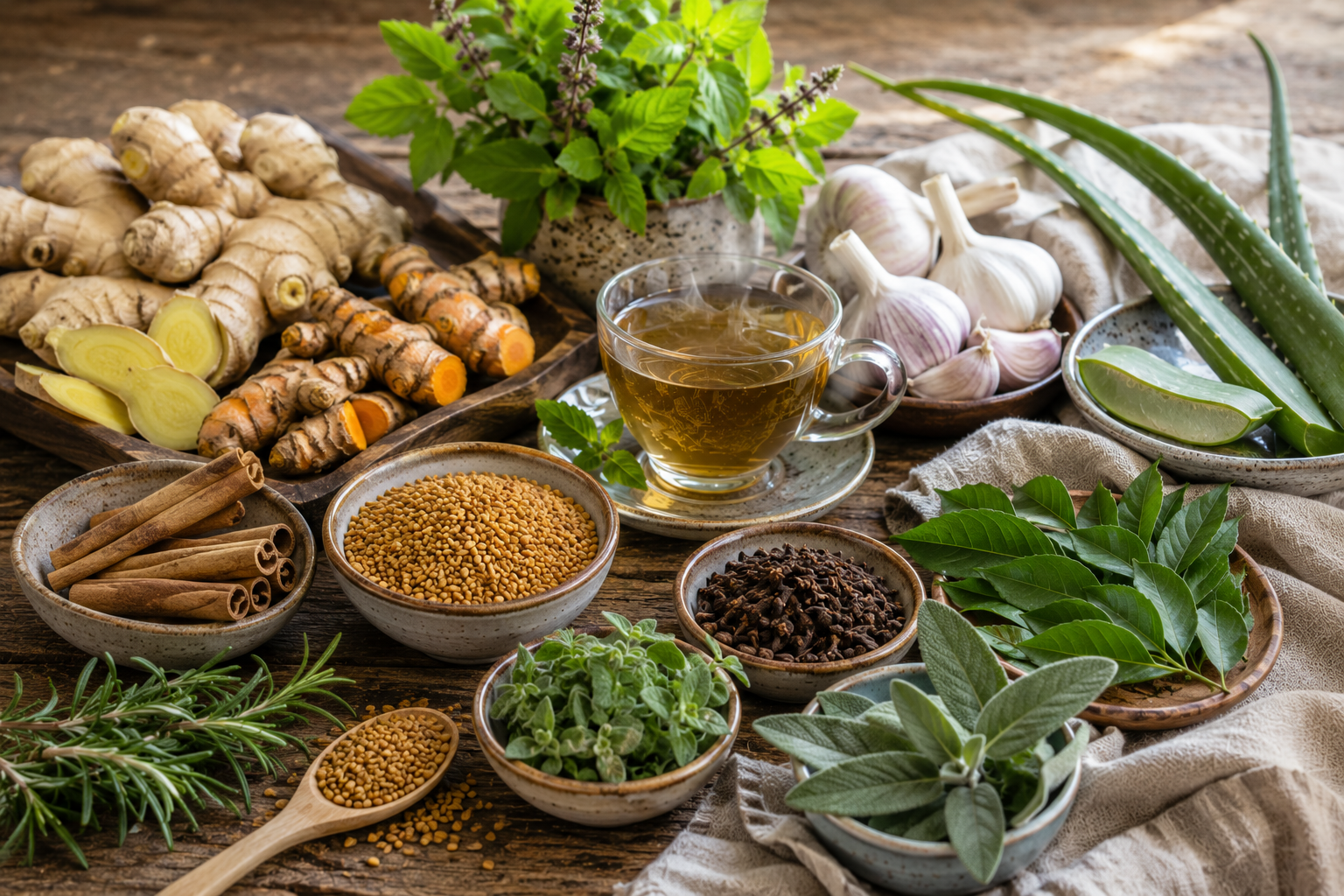
1. Cinnamon
Cinnamon is one of the most popular herbs and spices used in traditional wellness practices.
Many people add cinnamon to oatmeal, smoothies, yogurt, tea, and fruit. Its naturally sweet flavor also reduces the need for added sugar in many recipes.
2. Fenugreek
Fenugreek seeds have been used in traditional cooking and herbal practices for centuries.
You can soak the seeds overnight, brew them into tea, or add ground fenugreek to soups, curries, and vegetable dishes.
3. Turmeric
Turmeric contains curcumin, a natural plant compound that has attracted scientific interest.
Besides adding color and flavor to meals, turmeric pairs well with rice, soups, vegetables, and lentil dishes.
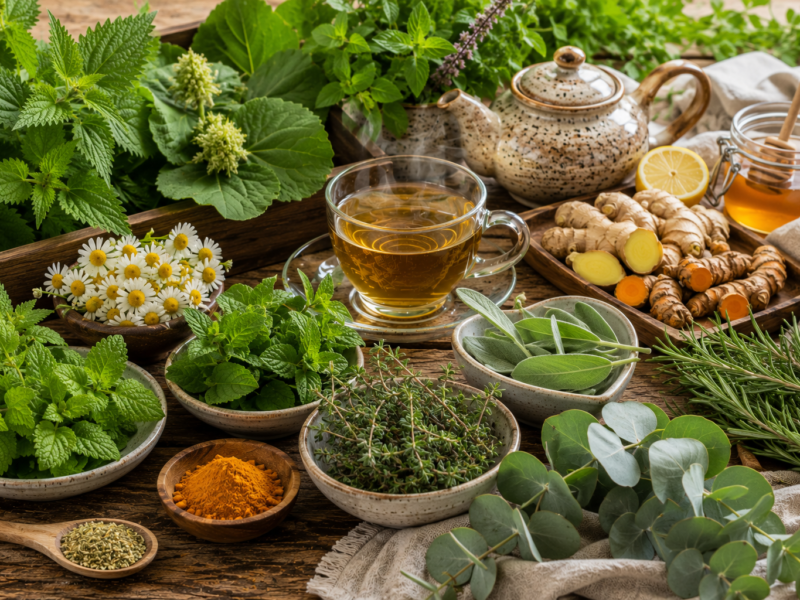
4. Holy Basil (Tulsi)
Holy basil, commonly called Tulsi, is widely used in traditional herbal systems.
Fresh Tulsi leaves or herbal tea make a refreshing addition to a healthy daily routine.
5. Ginger
Fresh ginger adds a warm, spicy flavor to many recipes.
You can grate it into stir-fries, soups, herbal teas, or smoothies for extra taste and nutrition.
6. Garlic
Garlic is a flavorful ingredient that appears in countless healthy recipes.
Its strong taste enhances vegetables, lean meats, beans, and whole-grain dishes without adding unnecessary calories.
7. Rosemary
Rosemary is a fragrant herb that grows easily in home gardens.
Use fresh rosemary to season roasted vegetables, grilled chicken, fish, or soups for extra flavor.
8. Oregano
Oregano contains beneficial plant compounds and works well in Mediterranean-style meals.
Sprinkle dried oregano over salads, vegetables, pasta dishes, or homemade tomato sauces.
9. Sage
Sage has an earthy flavor that complements poultry, vegetables, and soups.
Because it is highly aromatic, a small amount adds plenty of flavor.
10. Curry Leaves
Curry leaves are commonly used in South Asian cooking.
They add fragrance to lentils, vegetable dishes, rice, and homemade curries.
11. Cloves
Cloves contain natural antioxidants and have a warm, slightly sweet flavor.
Ground cloves work well in oatmeal, herbal teas, baked apples, and spice blends.
12. Aloe Vera
Aloe vera is best known for its soothing gel, but it also has a long history of traditional use in wellness practices.
However, always use food-grade aloe products and follow professional guidance before consuming aloe preparations.
Healthy Habits That Support Blood Sugar
Herbs alone cannot maintain healthy blood sugar levels. Therefore, combine them with positive lifestyle habits.
Helpful practices include:
- Eat balanced meals.
- Choose whole grains.
- Include lean protein.
- Eat more vegetables.
- Stay physically active.
- Drink enough water.
- Sleep seven to nine hours each night.
- Manage stress regularly.
These habits support overall metabolic health.
Foods That Pair Well with These Herbs
Adding herbs to nutritious meals makes healthy eating easier.
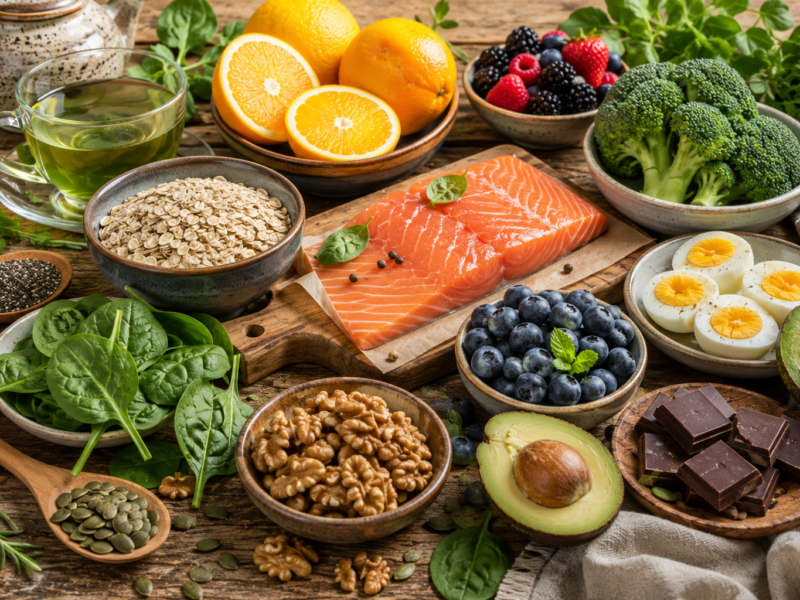
Consider combining herbs with:
- Leafy green vegetables.
- Beans and lentils.
- Whole grains.
- Fish.
- Skinless chicken.
- Low-fat yogurt.
- Fresh fruits.
- Nuts and seeds.
Balanced meals provide a wide range of important nutrients.
Habits to Avoid
Certain daily habits may make healthy blood sugar management more difficult.
Try to limit:
- Sugary beverages.
- Highly processed snacks.
- Frequent sweets.
- Large portion sizes.
- Long periods without physical activity.
- Excessive fast food.
Replacing these habits with healthier alternatives supports long-term wellness.
Safety Considerations
Although these herbs are commonly used in cooking, concentrated herbal supplements may interact with diabetes medications or other prescription drugs. Using herbs together with blood sugar-lowering medication may increase the risk of blood sugar dropping too low.
If you have diabetes, prediabetes, kidney disease, or any chronic medical condition, consult your healthcare professional before using herbal supplements or making significant dietary changes.
Learn more about diabetes prevention and healthy blood sugar management from the Centers for Disease Control and Prevention (CDC).