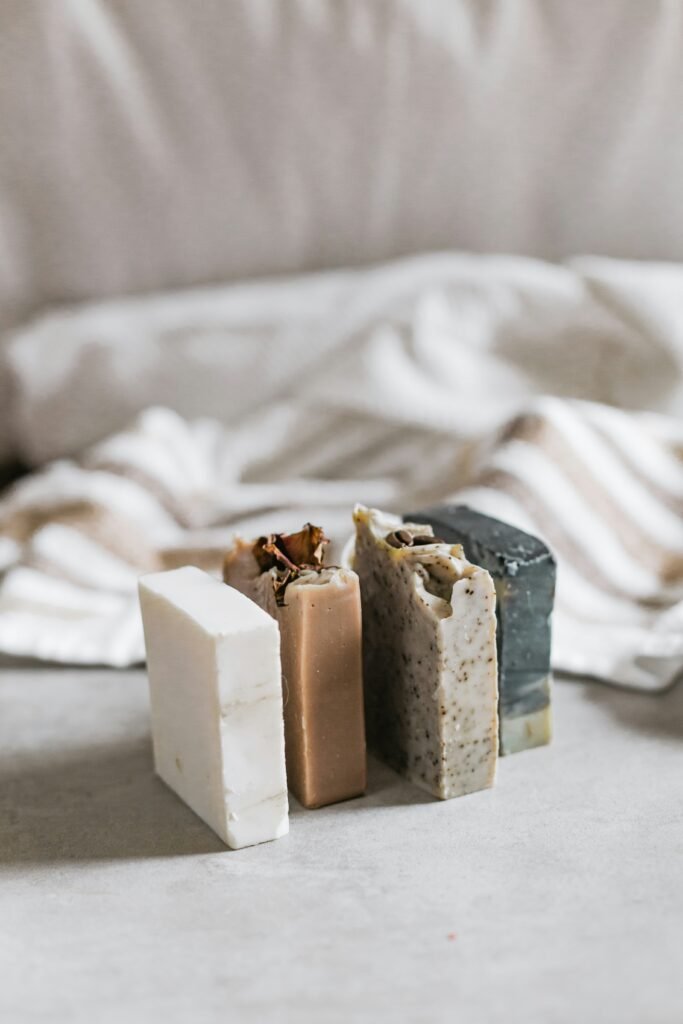
Introduction to Organic Herbal Soap Making
Organic herbal soap making is an increasingly popular craft that offers numerous benefits over conventional commercial soaps. The choice to use organic ingredients ensures that the soap will be free from synthetic additives, harmful chemicals, and artificial fragrances, making it gentle on the skin and environmentally friendly.
The utilization of natural herbs in the soap-making process infuses each bar with unique properties, often providing specific skin benefits. For instance, chamomile is renowned for its soothing properties, while lavender is praised for its calming scent. These herbs not only contribute to the aesthetic appeal of the soap but also enhance its therapeutic qualities, offering a holistic experience for users.
Making soap at home not only allows for creativity and personal expression, but it also empowers individuals to control the ingredients that touch their skin. This process can foster a deeper understanding of the benefits of herbal properties, “superfood” oils, and natural additives like essential oils, creating personalized products tailored to specific needs. Furthermore, home soap making can be a sustainable practice, reducing reliance on chemical-laden commercial products and decreasing plastic waste through the use of recyclable packaging options.
Throughout this blog post, readers can expect to learn about the various steps involved in creating organic herbal soap, from selecting the right ingredients and understanding the basic techniques to troubleshooting common issues. Each section will serve as a guide, allowing novices and seasoned soap makers alike to find inspiration and knowledge in this eco-friendly endeavor. With clear instructions and helpful tips, this guide aims to demystify the art of organic herbal soap making, enabling anyone to embark on this fulfilling journey.
Essential Ingredients for Organic Herbal Soap
Creating organic herbal soap at home involves a delicate balance of various natural ingredients that impart beneficial properties to the skin. The core components necessary for crafting your soap include oils, lye, water, and herbal elements. Each of these ingredients serves a specific purpose and contributes to the overall effectiveness and quality of the soap.
The primary ingredient in organic herbal soap is oils, which are crucial for the soap-making process. Common choices include olive oil, coconut oil, and palm oil. Olive oil is renowned for its moisturizing properties and is beneficial for all skin types, while coconut oil lends a bubbly lather and has antibacterial qualities. Palm oil, sourced sustainably, offers a creamy texture and stabilizes the soap bar. Various oils can be blended to achieve specific textures and benefits.
Lye, or sodium hydroxide, is essential for saponification, the chemical process that transforms oils into soap. It is important to handle lye with caution, as it is caustic. However, once the saponification process is complete, no lye remains in the final product, making it safe for use. For those who may have concerns about lye, there are alternative methods, such as using melt-and-pour bases that require less handling of lye.
Water is another fundamental ingredient, used to dissolve the lye and initiate the saponification reaction. Distilled water is often recommended to avoid impurities that may interfere with the soap quality.
Lastly, herbal components like chamomile, lavender, or calendula can be added for their soothing and therapeutic properties. These herbs not only provide natural fragrance but also enhance the skin-nourishing qualities of the soap. For individuals with allergies or particular preferences, alternatives such as essential oils or even synthetic fragrance oils can be used in moderation. Understanding these essential ingredients will empower you to create customized organic herbal soap that meets your skin’s unique needs.
Essential Tools and Equipment Required
When embarking on the journey of creating organic herbal soap at home, adequate preparation is crucial. First and foremost, precision is key in soap-making, thus a digital scale is an essential tool. This device allows you to accurately measure your ingredients, ensuring consistency in each batch. Choose a scale that offers measurements in both grams and ounces, which enhances flexibility when following various recipes.
Next, mixing containers are vital for the soap-making process. Opt for containers made of materials such as glass, stainless steel, or high-density polyethylene (HDPE). These materials are lye-resistant, which is essential when working with caustic substances. Ensure that these containers are dedicated to soap-making to avoid contamination with food or other substances.
A stick blender is another necessary piece of equipment. This tool expedites the emulsification process when combining oils and lye, facilitating a smoother and more homogenous mixture. When selecting a stick blender, look for one with multiple speed settings and a comfortable grip for ease of use during extended periods.
Soap molds are crucial in shaping your final product. While you can purchase pre-made soap molds, consider using silicone molds for their flexibility, which allows for easy demolding. Additionally, if you want to customize your soap shapes, you can create your molds using materials like wood or cardboard.
Lastly, safety equipment cannot be overlooked, particularly because the use of lye necessitates careful handling. Invest in protective gear, such as goggles, gloves, and a face mask, to shield yourself from potential harm. When working with lye, ensure that you are in a well-ventilated space to mitigate inhalation risks.
In summary, having the right tools and equipment significantly contributes to the safety and success of your organic herbal soap-making venture. By selecting these essentials with care, you prepare yourself for a rewarding artisanal experience.
Preparing Your Workspace for Soap Making
Creating organic herbal soap at home can be a rewarding endeavor; however, prioritizing safety should be your foremost consideration. Before you delve into the soap-making process, it is essential to properly prepare your workspace. Ensuring that your environment is safe and organized will facilitate a smoother experience and enhance the quality of your finished product.
First and foremost, ensure that your workspace is well-ventilated. Soap making often involves using lye, which can release potentially harmful fumes. Open windows and consider using a fan to promote airflow. In addition, it is advisable to select a location away from pets and children to minimize distraction and hazards.
Next, protective gear is critical. Always wear safety goggles to shield your eyes from lye splashes, and use gloves to protect your skin from chemicals. Long sleeves and closed-toe shoes should be worn to further ensure your safety while handling ingredients. It is prudent to keep vinegar nearby, as it can neutralize any lye spills on the skin.
Before starting, clean your workspace thoroughly to eliminate any contaminants that could affect your soap mixture. Wipe down surfaces with a disinfectant and make sure that your tools—such as mixing bowls, spatulas, and scales—are sanitized. An organized workspace will enable you to focus on each step of the soap-making process without searching for necessary items.
Lastly, gather all ingredients and supplies before beginning. Arrange them in an orderly manner, labeling them where necessary. Having everything at your fingertips allows for a more efficient workflow, minimizing the chances of making mistakes during critical phases of the soap-making process. By taking these precautions, you can enjoy a successful and safe soap-making experience.
Step-by-Step Process of Making Organic Herbal Soap
Creating organic herbal soap at home is a rewarding and straightforward process that allows you to customize the ingredients according to your preferences. To begin, gather all the essential materials: a soap-making kit containing fats or oils, lye (sodium hydroxide), distilled water, and your choice of herbal infusions or essential oils. Safety goggles and gloves are also necessary for protection during the lye mixing process.
Start by measuring the oils accurately using a kitchen scale. For a basic herbal soap recipe, you may combine olive oil, coconut oil, and palm oil in a suitable ratio, typically around 30% each. Next, measure the lye and water separately. It is crucial to add the lye to water, not the other way around, to prevent dangerous reactions. Stir the mixture carefully until the lye is fully dissolved, and allow it to cool to a temperature between 100°F and 110°F.
While the lye solution cools, gently heat your oils until they reach a similar temperature. Once both mixtures are at the right temperature, slowly pour the lye solution into the oils while stirring continuously. Blend the mixture using an immersion blender until it reaches “trace,” which is the point where the soap thickens and leaves a trail on the surface.
At this stage, add your chosen herbal ingredients, such as dried lavender or chamomile, along with essential oils for fragrance. Pour the soap mixture into molds, ensuring it is evenly distributed. Cover with a towel to insulate the soap, allowing it to saponify for 24 to 48 hours. After curing, unmold your soap and let it age for four to six weeks in a cool, dry place. This aging process permits the soap to harden and makes it milder for skin use.
If you encounter issues like lye pockets or uneven texture, adjust your mixing technique by ensuring all ingredients are thoroughly blended. If the soap appears too soft after curing, it may require a longer drying time. Making organic herbal soap can seem intricate at first, but with practice, you will master the art and enjoy a product that is both natural and beneficial for your skin.
Incorporating Herbs and Essential Oils
When it comes to making organic herbal soap at home, the selection of herbs and essential oils plays a pivotal role. Different herbs offer various benefits that cater to distinct skin types, making it essential to understand their properties. For instance, chamomile is well-known for its soothing qualities, making it ideal for sensitive skin. It can help to reduce irritation and promote a calm complexion.
Calendula, another popular herb, is often included for its anti-inflammatory properties, making it suitable for those with acne-prone skin. After you have selected the right herbs for your intended purpose, it’s time to consider how to incorporate them effectively into your soap-making process. Dried herbs can be added directly to the soap base, while infused oils made by soaking the herbs in carrier oil beforehand can also elevate the therapeutic benefits.
In addition to herbs, essential oils not only bring delightful fragrances but also add therapeutic properties to the soap. For example, lavender essential oil is favored for its calming aroma and skin-soothing effects, making it a great addition for relaxation-focused formulations. On the other hand, tea tree oil is renowned for its antibacterial properties, which can be beneficial for acne treatment and oily skin.
To achieve the desired fragrance and health benefits, a few drops of essential oil can be blended into your soap mixture just before pouring. It is important to strike a balance; generally, 1-2% of the total weight of the soap mixture is recommended for essential oils. By thoughtfully incorporating various herbs and essential oils, you can create custom organic herbal soaps tailored to specific skincare needs while enhancing the overall experience with their fragrance and therapeutic properties.
Curing and Storing Your Soap
The curing process is a critical phase in soap making, particularly for organic herbal soap, as it allows for complete saponification and enhances the qualities of the final product. The standard duration for curing soap is typically between four to six weeks; however, this may vary depending on the specific recipe and the ingredients used. During this time, moisture evaporates, leading to a harder bar of soap that lasts longer when used.
To ensure optimal curing conditions, it is advisable to place the soap in a cool, dry area with good air circulation. Using a wire rack or a cardboard box with ventilation holes can provide ample airflow, which is essential for the curing process. It is important to avoid stacking the bars too closely together, as this can trap humidity and lead to issues such as mold or uneven curing.
During the curing period, it is beneficial to periodically check the soaps. Signs that indicate your organic herbal soap is ready for use include a noticeable hardening of the bars, reduction in size due to moisture loss, and a change in texture that should feel smoother to the touch. Additionally, the soap should no longer exude an oily residue, indicating that it has completed the chemical reactions necessary for a safe and effective product.
Once the soap is properly cured, storing it correctly will maintain its quality. Ideally, the soap should be kept in a cool, dry place away from direct sunlight to prevent melting or discoloration. Wrapping the soap in paper or placing it in a well-ventilated container can also help preserve its scent and texture. Remember, properly cured and stored organic herbal soap can have a prolonged shelf life, ready for use whenever desired.
Creative Ideas for Customizing Your Soap
Customizing organic herbal soap allows for a personal touch and a unique aesthetic, transforming a simple product into a cherished item. One of the primary methods for customization is the addition of natural colorants. Ingredients such as spirulina for a green hue, annatto seeds for a yellow-orange tint, or beetroot powder for a rosy coloration can infuse your soap with visual appeal while maintaining its organic integrity. When selecting colorants, it’s crucial to ensure that they are skin-safe and compatible with the soap-making process.
Aside from color, unique shapes can significantly enhance the attractiveness of the finished product. Using silicone molds shaped like flowers, animals, or geometric designs can create visually stunning soaps. For those who want to add an element of surprise, consider embedding small organic herbs, dried flowers, or exfoliating agents like oatmeal within the soap. This not only beautifies the soap but also provides a gentle exfoliation experience during use.
Layering techniques also provide an opportunity for creativity. By pouring different soap mixtures in layers, one can achieve a striped appearance in the finished product. This not only looks delightful but can also serve functional purposes, such as combining scents or properties of different herbal ingredients. For a seasonal touch, one might incorporate holiday-themed shapes or fragrances. For example, adding a hint of cinnamon and orange can evoke the spirit of autumn.
Lastly, packaging your soaps can elevate their presentation. Wrapping them in natural materials like kraft paper or muslin cloth not only protects the soap but also adds an eco-friendly element. Personalizing the packaging with handwritten labels or seasonal decorations can transform your soap into a thoughtful gift, perfect for any occasion. With these creative ideas, you can make your organic herbal soap truly distinct and special, appealing not only to your senses but also to those of potential gift recipients.
Conclusion and Tips for Successful Soap Making
Making organic herbal soap at home is not only a rewarding and enjoyable craft but also an opportunity to create personalized products suited to your preferences and skin needs. Throughout this blog, we have explored various aspects of herbal soap making, including ingredient selection, methods, and essential safety precautions. The uniqueness of each soap lies in the choice of herbs, oils, and additives, allowing for creativity and customization in every batch.
As you embark on your soap-making journey, consider the following tips to enhance your experience. Firstly, always keep safety as a priority. Wear protective gear when handling lye for cold process soap, and ensure proper ventilation in your working area. Following a precise recipe is crucial, especially for beginners, as soap making requires accurate measurements for successful saponification.
Moreover, making notes during the process can help troubleshoot any issues you might encounter, such as trace time or scent retention. This practice will also assist in refining your technique over time. If you find a recipe that works particularly well, document it for future reference, and don’t hesitate to experiment gradually by making small adjustments.
For those looking to develop their soap-making skills further, consider exploring advanced techniques such as color layering, swirling, or incorporating natural exfoliants. Online communities, forums, and social media platforms can provide support, inspiration, and a wealth of knowledge. Joining a local class or workshop can also enhance your skills and connect you with like-minded individuals.
In summary, the world of organic herbal soap making is vast and filled with potential. Embrace the journey, encourage creativity, and enjoy the process of crafting beautiful, natural soaps that nourish your skin and bring joy to your daily routine.