Introduction to Herbal Teas and Immune Support
Herbal teas have been used for centuries across various cultures as a natural remedy to promote health and wellbeing. These infusions, crafted from a range of herbs, flowers, and spices, are not only renowned for their delightful flavors but also for their numerous medicinal properties. Among their various benefits, herbal teas are particularly noted for their potential to support the immune system.
The connection between herbal teas and immune support can be traced back to traditional medicine practices, where specific herbs were utilized to enhance bodily defenses against illnesses. For example, herbs such as echinacea and elderberry have historically been recognized for their ability to stimulate immune function, thanks to their rich concentrations of antioxidants and active compounds. These elements contribute to enhanced immune response, making herbal teas a popular choice for individuals looking to strengthen their overall health.
In addition to these well-documented herbs, many other plants are known for their immune-boosting properties. Ginger and turmeric, often featured in herbal blends, possess anti-inflammatory properties that promote a healthy immune system. Similarly, herbs like peppermint and chamomile not only offer soothing effects but also help in promoting digestion and relief from respiratory ailments, further supporting overall immune function.
In recent years, there has been a resurgence in the popularity of herbal teas, particularly as consumers seek natural alternatives to over-the-counter medications. The modern emphasis on wellness and preventative healthcare has led to a greater interest in understanding how these herbal infusions can contribute to a robust immune system. By incorporating particular herbal blends into daily routines, individuals may enhance their body’s ability to fend off infections and maintain optimal health.
Benefits of Drinking Herbal Tea for Immunity
Herbal teas have long been celebrated not only for their delightful flavors but also for their numerous health benefits, particularly in enhancing the immune system. One of the primary advantages of consuming herbal tea is its rich content of antioxidants. Antioxidants play a crucial role in combating oxidative stress in the body, reducing inflammation, and ultimately supporting immune function. Ingredients commonly found in herbal teas, such as echinacea, ginger, and chamomile, are particularly high in these beneficial compounds.
In addition to providing antioxidants, many herbal teas possess anti-inflammatory properties. Chronic inflammation can lead to a weakened immune response and increased susceptibility to illness. Herbal teas like turmeric and peppermint can help reduce inflammation, thus contributing to a more resilient immune system. Regularly incorporating these herbal blends into one’s diet could serve as a preventive measure against various common ailments, ranging from the common cold to more complex conditions.
Furthermore, herbal teas are known for their soothing effects, which can alleviate symptoms and improve overall wellness. For instance, lemon balm tea can aid in reducing stress, which is essential since high-stress levels can impair immune function. Similarly, elderberry tea is renowned for its potential to shorten the duration of colds and flu, making it a popular choice for individuals seeking to fortify their health during the flu season.
Moreover, herbal teas often have hydrating properties, ensuring adequate fluid intake, which is vital for maintaining a robust immune system. Staying well-hydrated helps in the efficient functioning of all bodily systems, including the immune response. By regularly consuming a variety of herbal teas, individuals can harness their unique properties to support and bolster their immune health.
Popular Herbs for Immune System Support
Several herbs have been recognized for their ability to bolster the immune system, making them valuable components in DIY herbal tea blends. This section explores the most popular herbs, each known for their unique properties and contributions to immune health.
Echinacea is one of the most widely used herbs for preventing colds and flu. Research suggests that echinacea can enhance the body’s immune response by increasing the production of white blood cells and reducing the severity and duration of respiratory infections. It is commonly consumed in tea form, where its flavor complements other herbs well, making it an excellent choice for tea blends aimed at immune support.
Elderberry, another notable herb, has gained popularity for its rich content of antioxidants and vitamins, particularly vitamins A, B, and C. Elderberry supplements and syrups are frequently chosen for their effectiveness in reducing the duration and severity of cold and flu symptoms. When used in tea blends, elderberry’s sweet flavor not only makes a pleasant beverage but also offers strong immune-boosting properties.
Ginger, known for its anti-inflammatory and antioxidant effects, plays a critical role in enhancing immune function. This versatile root can stimulate circulation and improve digestion, thereby supporting overall health. Ginger tea can be enjoyed on its own or mixed with other herbs, amplifying its health benefits and warming qualities, especially useful during colder months.
Lastly, turmeric should not be overlooked. Its active component, curcumin, is celebrated for its anti-inflammatory and immune-enhancing features. Often added to teas for its vibrant color and distinct flavor, turmeric can significantly contribute to boosting overall immunity, making it an excellent choice for those looking to fortify their body’s defenses.
Creating Your Own Herbal Tea Blend: A Step-by-Step Guide
Crafting a personalized herbal tea blend can be an enjoyable and rewarding endeavor. To begin this process, it is essential to select the right herbs tailored to your individual preferences and health needs. Start by considering the flavor profiles you enjoy, as well as any specific health benefits you wish to attain. Popular herbs known for their immune-supporting properties include echinacea, elderberry, and ginger, among others.
Once you have identified your preferred herbs, the next step is to consider the proportions for your blend. A general rule of thumb is to use one part of a fragrant herb, such as peppermint, to two parts of a more mellow herb, like chamomile. For stronger herbs, like turmeric or ginger, a smaller proportion may be advisable – half a part for every one part of milder herbs. Adjust the ratios based on your taste preferences and the potency of the herbs.
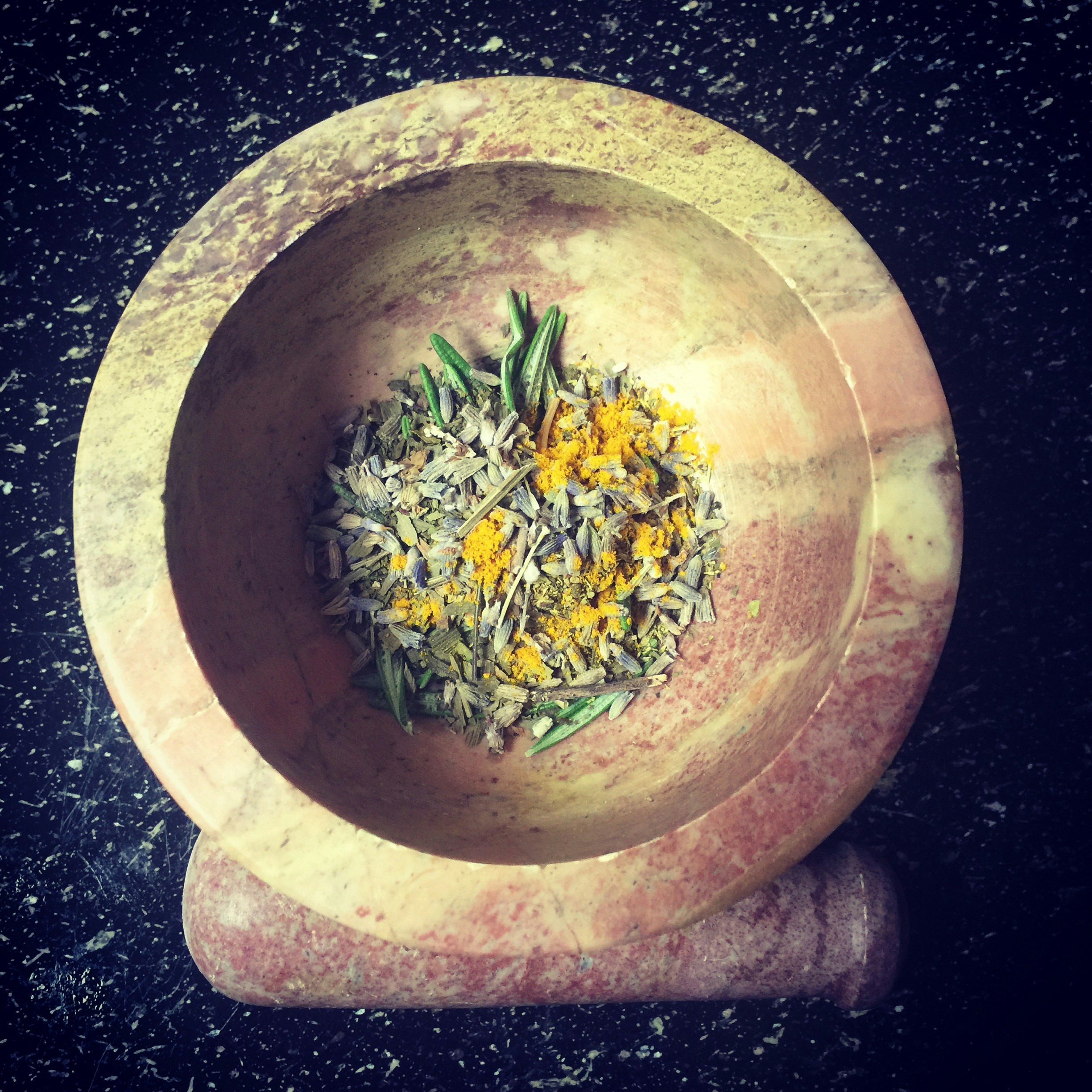
Then, prepare your herbal blend by either crushing the dried herbs with a mortar and pestle or simply mixing them in a bowl. It is vital to ensure that your herbs are fresh and of high quality, as the flavor and health benefits largely depend on the ingredients used. Herbs lose potency over time; make sure to store them in an airtight container away from light and moisture to preserve freshness.
To brew your herbal blend into a tea, use approximately one teaspoon of the prepared mixture per cup of boiling water. Steep for 5 to 10 minutes, depending on your desired strength. Feel free to experiment with additional ingredients like honey or lemon to enhance the flavor further. The journey of creating your own herbal tea blend not only allows for customization but also fosters an appreciation for the medicinal properties that these natural ingredients offer.
Delicious DIY Herbal Tea Recipes for Immune Support
Enhancing your immune system can be a delightful and soothing experience with these carefully curated herbal tea recipes. Each blend not only contributes to overall wellness but also offers a palette of flavors that elevate your daily routine.
1. Ginger-Lemon-Honey Tea
This invigorating tea is known for its potential immune-boosting properties. To prepare, you will need:
- 1 inch fresh ginger, sliced
- 1 lemon, juiced
- 1 tablespoon honey (or to taste)
- 2 cups water
Begin by boiling the water, then add the ginger slices. Let it simmer for about 10 minutes. Once infused, strain the ginger, add lemon juice and honey. This tea can be enhanced with a sprinkle of cayenne pepper for added heat and metabolism-boosting benefits.
2. Elderberry-Lavender Tea
Elderberry is widely known for its antiviral properties, while lavender adds a calming aroma. Gather the following:
- 1 tablespoon dried elderberries
- 1 tablespoon dried lavender flowers
- 2 cups water
To create this soothing brew, bring the water to a boil. Add elderberries and lavender, allowing the mixture to steep for 15 to 20 minutes. Strain the tea and enjoy it warm or chilled, potentially sweetened with a drizzle of honey.
3. Turmeric-Cinnamon Tea
Rich in anti-inflammatory properties, turmeric is combined with cinnamon for a warm bright concoction. Ingredients include:
- 1 teaspoon ground turmeric
- 1 teaspoon ground cinnamon
- 2 cups water
- Milk of choice (optional)
- Honey for sweetness
Boil water and dissolve both turmeric and cinnamon into it. Let it brew for 10 minutes, then strain if desired. Add milk for creaminess and sweetness according to taste.
These herbal tea recipes are not just simple to prepare—they are also packed with flavors that harmonize to support immune health. Experiment with these blends to discover your favorites and enjoy the many benefits they bring.
When to Drink Herbal Tea for Maximum Benefits
Maximizing the immune-boosting benefits of herbal tea involves strategic timing and awareness of your body’s needs. Drinking herbal tea at different times of the day can enhance its efficacy, making this a key aspect of incorporating herbal remedies into your daily routine.
Starting your day with a warm cup of herbal tea can set a positive tone for the rest of the day. Teas such as ginger or echinacea are known for their properties that support immune function, making them ideal morning choices. Consuming herbal tea in the morning can act as a gentle wake-up ritual and provide a soothing start while enhancing hydration.
Midday is another crucial time to enjoy herbal tea, especially in the face of stress or fatigue. Teas containing adaptogens, like ashwagandha or holy basil, can help maintain resilience in challenging situations while bolstering your immune system. Regular hydration throughout the day is vital; therefore, opting for herbal tea instead of sugary drinks can be a more beneficial choice.
During the evening, calming herbal teas such as chamomile or lemon balm can aid relaxation and sleep. Proper rest is crucial for a well-functioning immune system, and the consumption of soothing herbal tea can create a nighttime routine that promotes restorative sleep.
Seasonal changes, particularly during cold and flu seasons, warrant additional attention to herbal tea consumption. Increased frequency can be beneficial when symptoms arise or when exposure to illness is heightened. Listening to your body and incorporating herbal tea whenever health concerns appear can provide valuable support.
In conclusion, the timing of herbal tea consumption significantly influences its ability to support the immune system. By establishing mindful drinking habits throughout the day and tuning into your body’s cues, you can harness the full potential of these beneficial blends.
Precautions and Considerations
When incorporating DIY herbal tea blends into your regimen for immune system support, it is essential to exercise caution and consider various factors that may impact your health. Herbal teas are generally perceived as safe; however, individual reactions to specific herbs can vary significantly. This is particularly important for individuals with allergies. Before consuming any herbal tea, it is advisable to check the list of ingredients for potential allergens. Common herbs, such as chamomile, can cause allergic reactions in people sensitive to plants in the Asteraceae family.
Moreover, herbal teas can interact with various medications, potentially diminishing their effectiveness or causing adverse effects. For instance, certain herbal ingredients may act as natural blood thinners, which could interact with anticoagulants, escalating the risk of bleeding. It is pertinent for those on medication to consult their healthcare providers before incorporating new herbal remedies into their diet.
The safe use of herbs also varies with age. For children, pregnant or breastfeeding women, and the elderly, sensitivity to herbal ingredients can be pronounced. Therefore, it is essential to refrain from offering herbal teas to children under certain ages without appropriate consultation. Likewise, older adults might face increased risks due to pre-existing health conditions or medications they are taking.
Ultimately, while DIY herbal tea blends can be an enriching addition to one’s self-care routine, ensuring one’s safety by considering allergies, medication interactions, and individual health circumstances is crucial. Thus, prior to beginning any herbal regimen, it is highly recommended to consult a qualified healthcare professional who can provide tailored advice based on personal health profiles.
Storing and Preserving Your Herbal Tea Blends
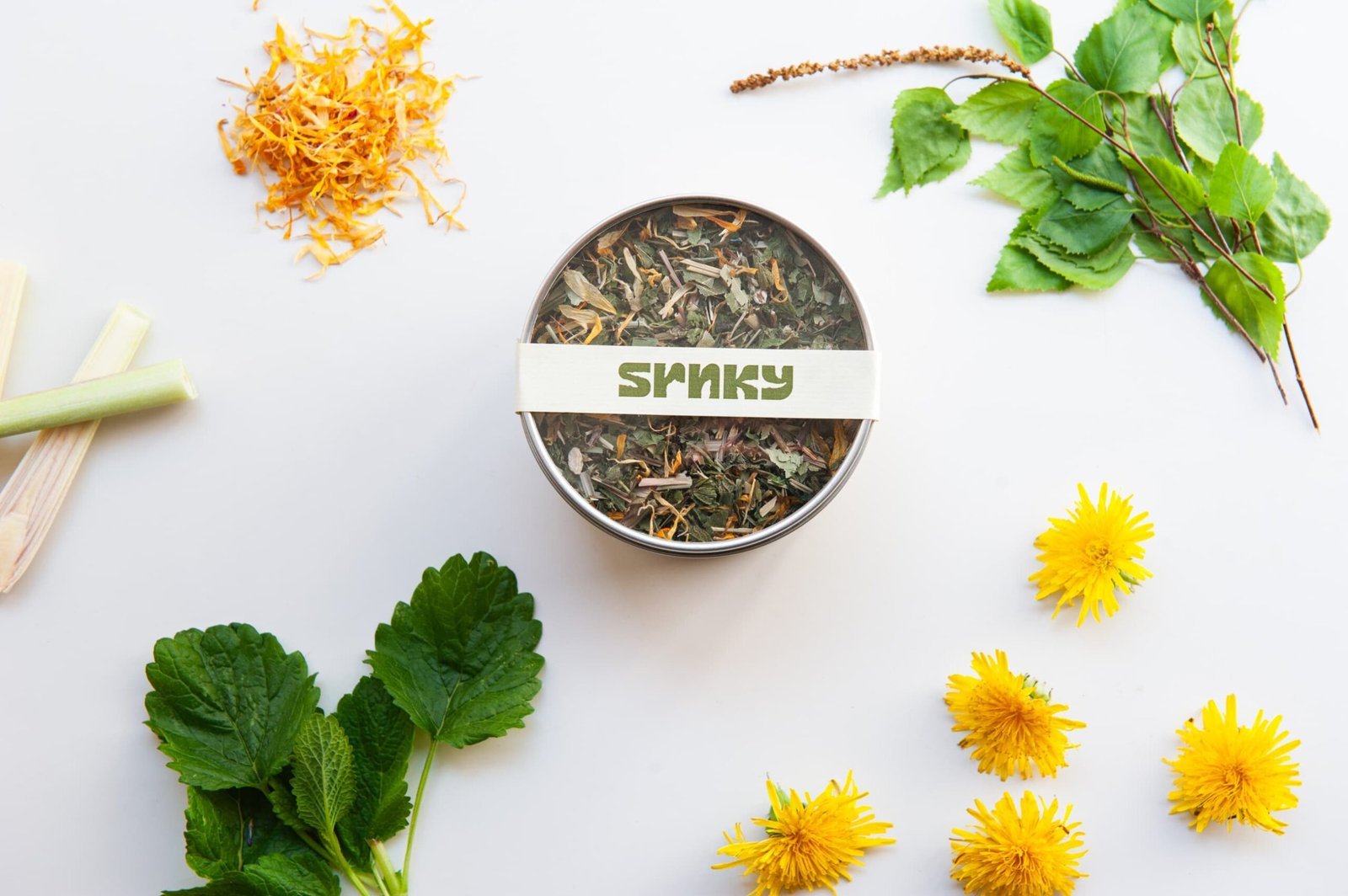
When it comes to maintaining the freshness and potency of your homemade herbal tea blends, proper storage is crucial. The way you store your herbs can significantly impact their flavor, aroma, and health benefits. To begin with, it is essential to choose the right containers. Glass jars with airtight seals or dark-colored tins are excellent options, as they provide a barrier against light, moisture, and air, all of which can degrade the quality of your herbal blends over time.
It is advisable to store your herbal tea blends in a cool, dark place, away from direct sunlight and heat sources. A pantry or a cupboard is often ideal. Maintaining a consistent temperature is key; avoid storing your blends in locations that experience significant fluctuations in temperature, such as near ovens or radiators. Additionally, humidity can negatively affect the potency of dried herbs, so keeping your containers tightly sealed is essential.
In terms of the lifespan of your herbal tea blends, dried herbs can typically last anywhere from six months to two years, depending on various factors including the type of herb and storage conditions. Regularly check your blends for any signs of moisture or mold, and if they exhibit an off smell or have changed color, it’s best to discard them.
To further enhance your experience, label each jar with the blend name and the date you made it. This practice ensures proper rotation and helps you keep track of when the herbs need to be replaced. By following these best practices, you can ensure that your DIY herbal tea blends remain effective and flavorful, allowing you to enjoy their health benefits for an extended period.
Conclusion and Encouragement to Explore Herbal Remedies
As we have explored throughout this discussion, herbal teas play a vital role in supporting the immune system. The natural compounds found in various herbs not only enhance our body’s defenses but also provide a soothing and enjoyable experience. By incorporating these tea blends into daily routines, individuals can take significant strides toward improving their overall health and well-being.
It is essential to recognize that herbal teas can be more than mere beverages; they represent a holistic approach to health. Each blend offers an opportunity to tailor your wellness practices to suit your personal preferences and needs. Experimenting with different combinations of herbs, spices, and flavors can lead to discovering unique tea blends that best support your immune health. Whether it’s a warm cup of ginger tea to invigorate or a calming chamomile infusion to relax after a long day, the possibilities are endless.
We encourage you to explore the wide variety of herbal ingredients available. Beyond common options like echinacea or elderberry, delve into lesser-known herbs that may provide powerful benefits. Building your own recipes can be fun and engaging, allowing you to connect with the healing properties of nature while fostering creativity in the kitchen. The joy of creating your blends adds another layer of satisfaction to the health benefits derived from herbal teas.
Ultimately, embracing herbal remedies as part of a broader wellness strategy can lead to improved health outcomes. As you journey through this exploration of herbal tea blends, remember that taking small, consistent steps can lead to significant enhancements in your immune support and overall lifestyle. Your body will thank you for it.