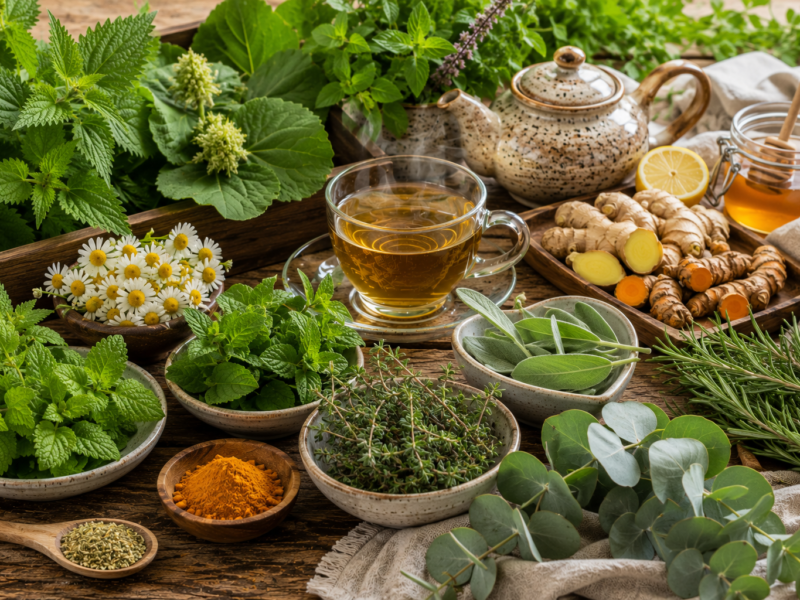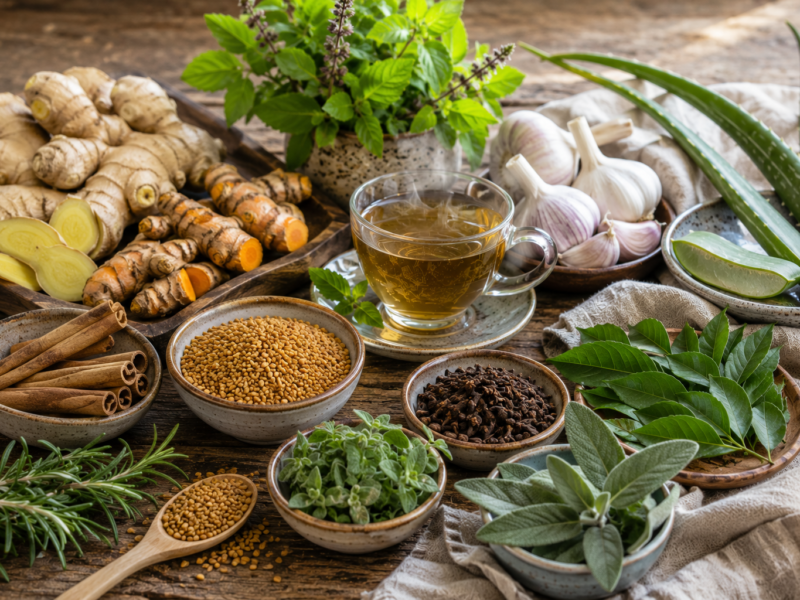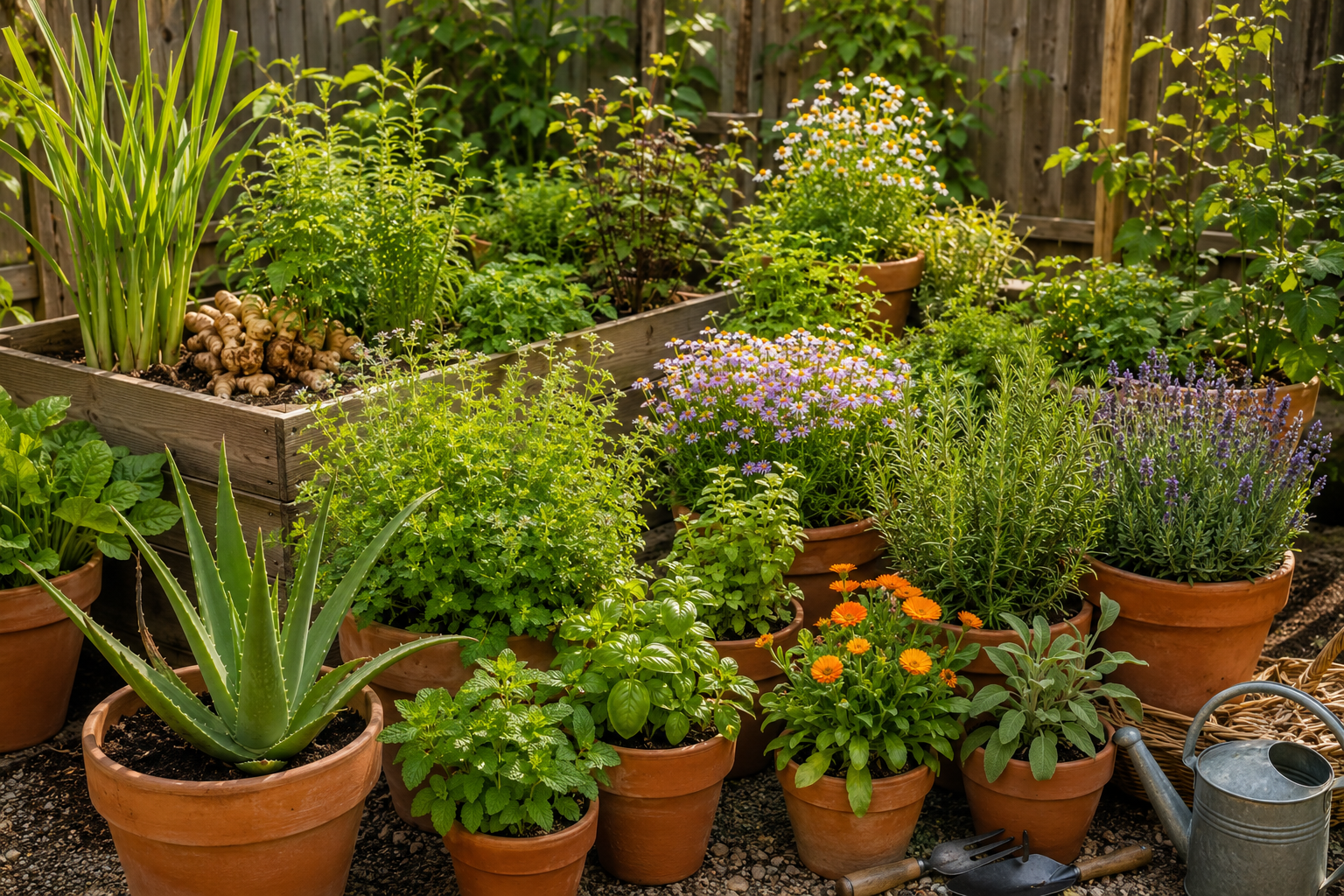
Growing your own medicinal plants is one of the easiest ways to enjoy fresh, natural herbs throughout the year. Many people are turning to home gardening because it offers healthier food, cleaner surroundings, and easy access to herbs that have been used in traditional wellness practices for generations. If you have a small garden, balcony, or even a sunny windowsill, you can grow several useful plants without much effort.
Choosing medicinal plants you can grow at home helps you create a small herbal garden while learning more about nature. Although these plants have a long history of traditional use, they should not replace professional medical care. They can, however, become a valuable addition to a healthy lifestyle.
Why Grow Medicinal Plants at Home?
Home-grown medicinal herbs are fresh, affordable, and free from unnecessary chemicals when cared for properly. You also have complete control over how they are grown. Many medicinal plants require only sunlight, water, and well-drained soil, making them suitable even for beginners.
Growing herbs at home also encourages sustainable gardening and reduces the need to purchase packaged herbal products.
1. Aloe Vera
Aloe vera is one of the most popular medicinal plants around the world. The thick leaves contain a soothing gel that is commonly used to calm minor skin irritation and sunburn. Aloe vera grows well in containers and prefers bright sunlight with light watering.
2. Mint
Mint is easy to grow and spreads quickly. Its refreshing leaves are commonly used in teas, salads, and beverages. Many people enjoy mint because of its pleasant flavor and traditional use in supporting comfortable digestion. Keep mint in a separate pot to prevent it from spreading too much.
3. Basil
Basil is valued for both cooking and traditional herbal use. Rich in antioxidants, basil adds flavor to meals while contributing beneficial plant compounds to your diet. It grows best in warm weather with plenty of sunlight.
4. Ginger
Although ginger takes longer to mature, it grows successfully in containers. Fresh ginger is widely used in cooking and herbal teas. Many people include ginger in their diet as part of traditional wellness practices.
5. Turmeric
Turmeric is another excellent plant for home gardens. The underground rhizomes are harvested after several months and can be dried or used fresh. Its bright yellow color comes from curcumin, a natural compound that has been widely studied by researchers.
6. Rosemary
Rosemary is an evergreen herb with a pleasant aroma. It grows well in sunny locations and requires little maintenance once established. Fresh rosemary is commonly added to roasted vegetables, soups, and grilled dishes.
7. Thyme
Thyme is a hardy herb that grows well in pots and garden beds. Its small leaves contain aromatic oils that have made it popular in traditional herbal preparations and cooking alike.
8. Lavender
Lavender produces beautiful purple flowers and a calming fragrance. Many people grow it for its appearance, while others enjoy using the dried flowers in sachets or herbal teas. Lavender prefers full sun and well-drained soil.
9. Chamomile
Chamomile is known for its delicate white flowers. These flowers are commonly dried to prepare herbal tea. Growing chamomile at home is simple, especially in areas with moderate sunlight.
10. Lemongrass
Lemongrass grows quickly in warm climates. It has a refreshing citrus aroma and is often used in soups, teas, and herbal drinks. Regular watering encourages healthy growth.
11. Sage
Sage is a hardy herb with soft gray-green leaves. It has long been valued in traditional herbal practices and is also a flavorful addition to poultry, vegetables, and stuffing recipes.
12. Oregano
Oregano is another low-maintenance herb that thrives in sunny locations. Besides adding flavor to pizza and pasta, oregano contains natural plant compounds that have attracted scientific interest.
13. Holy Basil (Tulsi)
Holy basil, also known as Tulsi, holds an important place in traditional herbal practices. It grows easily in warm climates and produces fragrant leaves that many people enjoy in herbal tea.
14. Calendula
Calendula is recognized by its bright orange and yellow flowers. The petals are often used in homemade skin preparations and herbal products. It also adds attractive color to any garden.
15. Lemon Balm
Lemon balm belongs to the mint family and produces leaves with a gentle lemon scent. It grows well in containers and is commonly enjoyed as a refreshing herbal tea.
Tips for Growing Medicinal Plants Successfully
Growing herbs is easier when you follow a few simple practices.
- Choose healthy seedlings or quality seeds.
- Use pots with proper drainage.
- Provide enough sunlight according to each plant’s needs.
- Water regularly without overwatering.
- Remove dead leaves to encourage healthy growth.
- Harvest herbs carefully without damaging the entire plant.
Regular care helps plants remain productive throughout the growing season.
Safety Considerations
While many herbs have a long history of traditional use, they are not suitable for everyone. Some medicinal plants may interact with medications or may not be appropriate during pregnancy or for certain medical conditions. Always consult a qualified healthcare professional before using herbs for health purposes, especially if you have an existing medical condition or take prescription medicines.
Learn more about medicinal plants and herbal safety from the National Center for Complementary and Integrative Health (NCCIH).