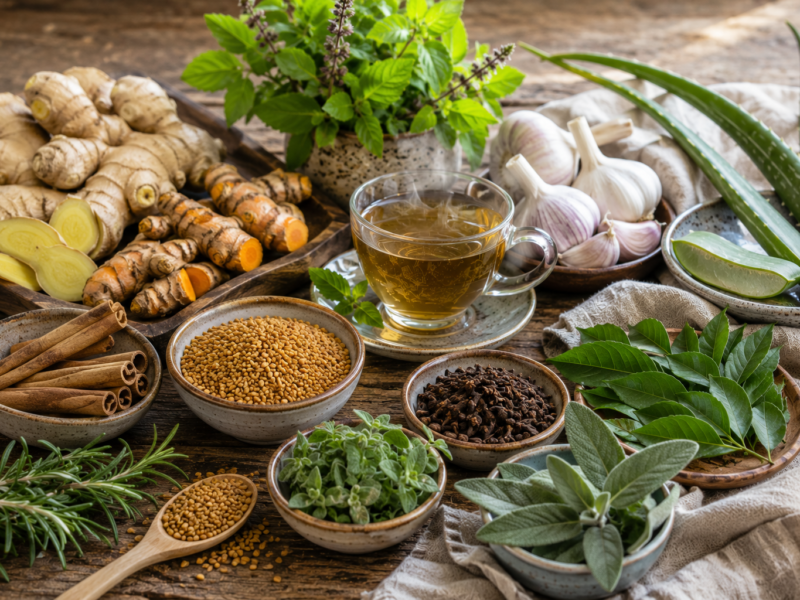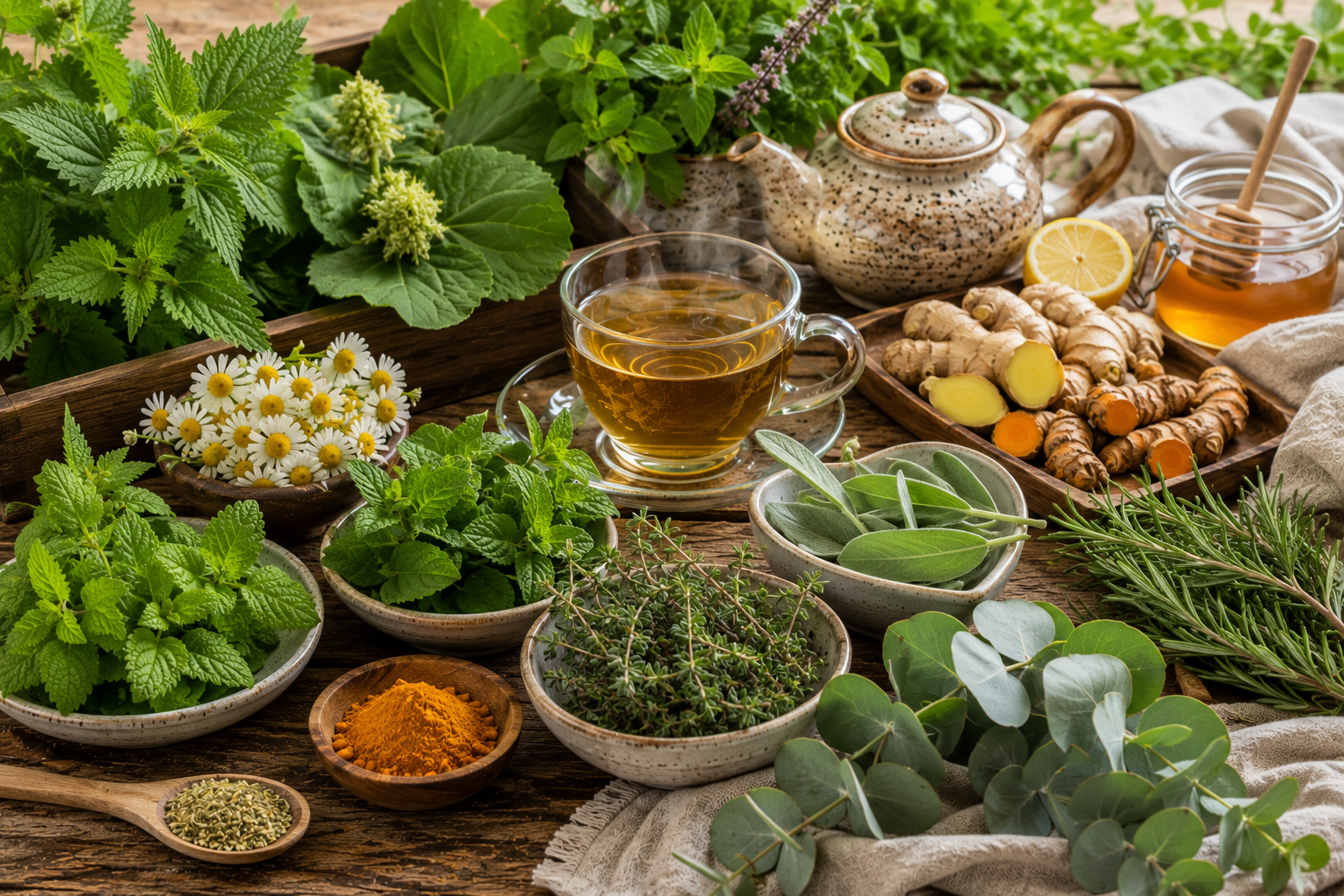
Seasonal allergies affect millions of people every year. Pollen from trees, grasses, and weeds often triggers symptoms such as sneezing, a runny nose, itchy eyes, and nasal congestion. Although medications help many people manage these symptoms, some individuals also explore natural options to complement their treatment plans.
Many traditional herbs have been used for generations to support overall wellness during allergy season. While research on some herbs is still developing, certain plants have attracted scientific interest because of their natural compounds. Learning about herbal remedies for seasonal allergies can help you make informed choices as part of a healthy lifestyle. However, herbs should never replace medical advice or prescribed treatments.
Why Seasonal Allergies Occur
Seasonal allergies happen when the immune system reacts to substances such as pollen that are normally harmless. As a result, the body releases chemicals like histamine, which contribute to common allergy symptoms.
Although you cannot completely avoid pollen, healthy habits can reduce exposure and support overall well-being. Therefore, combining practical lifestyle measures with natural approaches often provides the best results.
Benefits of Herbal Remedies for Seasonal Allergies
Including herbal remedies for seasonal allergies in your wellness routine may provide several potential benefits.
These herbal options may:
- Support overall immune health.
- Promote respiratory comfort.
- Complement healthy lifestyle habits.
- Provide natural plant compounds.
- Offer caffeine-free herbal beverages.
- Encourage relaxation during allergy season.
- Add variety to a balanced diet.
Remember that herbal remedies work best alongside medical guidance and healthy daily habits.
1. Stinging Nettle
Stinging nettle has been used in traditional herbal medicine for centuries. Many people prepare nettle leaves as herbal tea or use them in soups after proper preparation.
Its nutrient-rich leaves contain vitamins, minerals, and beneficial plant compounds.
2. Butterbur
Butterbur has attracted scientific interest for its potential role in seasonal allergy support.
Only use commercially prepared butterbur products that are certified free of harmful pyrrolizidine alkaloids (PAs). Avoid consuming raw butterbur because it may contain unsafe compounds.
3. Peppermint
Peppermint produces a refreshing aroma and contains menthol, which creates a cooling sensation.
Many people enjoy peppermint tea or inhale its natural fragrance as part of a relaxing routine.
4. Ginger
Fresh ginger has long been valued in traditional wellness practices.
You can prepare ginger tea or add fresh ginger to soups, stir-fries, and smoothies for extra flavor.
5. Holy Basil (Tulsi)
Holy basil, also known as Tulsi, plays an important role in traditional herbal systems.
Fresh Tulsi leaves or herbal tea make a soothing addition to daily wellness routines.
6. Turmeric
Turmeric contains curcumin, a natural compound that researchers continue to study.
Adding turmeric to curries, soups, rice dishes, or warm milk is an easy way to enjoy this colorful spice.
7. Chamomile
Chamomile is widely enjoyed as a calming herbal tea.
Many people drink a warm cup in the evening because it supports relaxation after a busy day.
Individuals who are allergic to plants in the daisy family should avoid chamomile unless advised otherwise by a healthcare professional.
8. Lemon Balm
Lemon balm belongs to the mint family and produces a refreshing citrus aroma.
A cup of lemon balm tea offers a pleasant way to unwind during allergy season.
9. Rosemary
Rosemary grows easily in home gardens and adds flavor to many healthy meals.
Its fragrant leaves work well with vegetables, poultry, fish, and soups.
10. Sage
Sage provides a rich aroma and has been valued in traditional herbal practices for many years.
It also enhances roasted vegetables and homemade soups.
11. Thyme
Thyme is a popular culinary herb that grows well in containers.
Fresh thyme adds flavor to roasted vegetables, chicken dishes, and herbal teas.
12. Eucalyptus
Eucalyptus leaves have traditionally been used for their refreshing aroma.
Many people enjoy eucalyptus steam or aromatherapy products. However, eucalyptus essential oil should never be swallowed unless specifically directed by a qualified healthcare professional.
Healthy Habits During Allergy Season
Herbs alone cannot prevent seasonal allergies. Therefore, combine them with healthy daily practices.
Helpful habits include:
- Keep windows closed during high pollen days.
- Shower after spending time outdoors.
- Wash clothes after outdoor activities.
- Use air filters when appropriate.
- Stay hydrated throughout the day.
- Eat a balanced diet.
- Exercise regularly.
- Get enough sleep every night.
These simple habits may help reduce pollen exposure.
Foods That Support Overall Wellness
Nutritious foods also contribute to overall health during allergy season.
Choose foods such as:
- Fresh fruits
- Leafy green vegetables
- Fatty fish
- Whole grains
- Yogurt
- Nuts
- Seeds
- Colorful vegetables
A balanced diet supports the body’s normal functions throughout the year.
Safety Considerations
Natural herbs are not suitable for everyone. Some herbal products may interact with medications or trigger allergic reactions, especially in individuals who are sensitive to certain plants. In addition, some herbs are not recommended during pregnancy, breastfeeding, or for children.
If you experience severe allergy symptoms, difficulty breathing, swelling of the face or throat, or signs of a serious allergic reaction, seek immediate medical attention. Always consult a qualified healthcare professional before using herbal supplements, particularly if you have chronic health conditions or take prescription medicines.
Learn more about seasonal allergies and effective management strategies from the American Academy of Allergy, Asthma & Immunology (AAAAI).