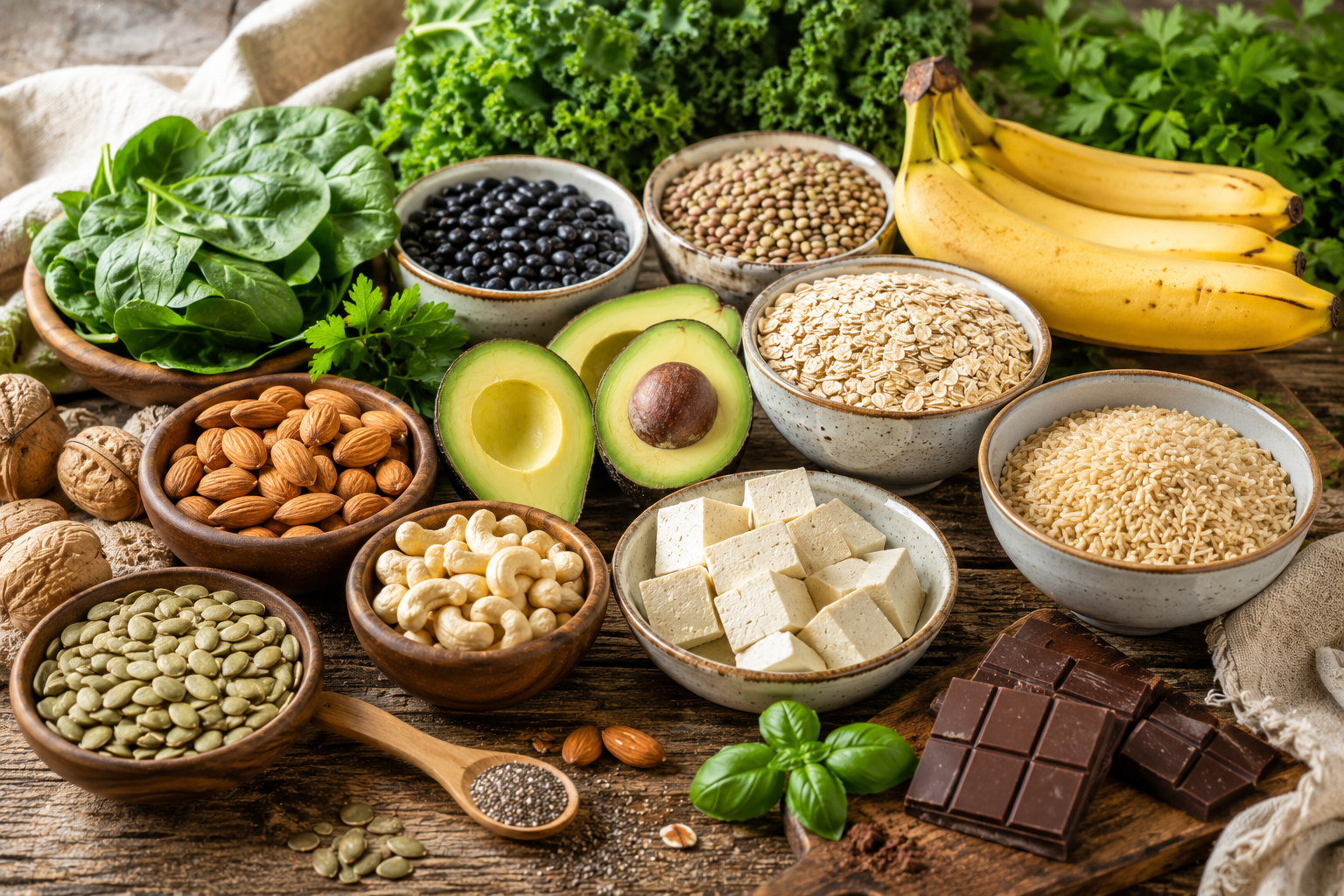
Magnesium is an essential mineral that supports hundreds of important processes in the human body. It plays a key role in muscle function, nerve signaling, energy production, bone strength, and heart health. Although magnesium is found in many everyday foods, many people do not consume enough of it through their regular diet.
Fortunately, adding more foods rich in magnesium to your meals is simple. Many affordable and nutritious foods naturally contain this important mineral. By making a few healthy changes to your eating habits, you can support your overall well-being while enjoying delicious meals.
Why Magnesium Is Important
Magnesium helps your body perform many essential functions every day. It supports normal muscle contractions, helps maintain healthy bones, and contributes to normal nerve function. In addition, magnesium works together with other vitamins and minerals to keep your body functioning properly.
Furthermore, this mineral helps convert food into energy. As a result, maintaining a balanced diet that includes magnesium-rich foods supports an active and healthy lifestyle.
Benefits of Eating Foods Rich in Magnesium
Including foods rich in magnesium in your diet offers many health benefits.
Some important advantages include:
- Supports healthy muscle function.
- Helps maintain strong bones.
- Contributes to normal nerve function.
- Supports heart health.
- Helps with energy production.
- Works with calcium and vitamin D.
- Supports normal protein synthesis.
- Contributes to overall wellness.
Eating a variety of nutrient-rich foods helps you obtain magnesium naturally.
1. Spinach
Spinach is one of the best natural sources of magnesium. It also provides iron, vitamin K, folate, and antioxidants.
You can enjoy spinach in:
- Salads
- Smoothies
- Soups
- Omelets
- Stir-fries
Fresh or cooked spinach fits easily into a balanced diet.
2. Pumpkin Seeds
Pumpkin seeds contain impressive amounts of magnesium along with healthy fats, zinc, and protein.
Sprinkle them over yogurt, oatmeal, salads, or homemade trail mix for an easy nutritional boost.
3. Almonds
Almonds are another excellent choice. Besides magnesium, they provide healthy fats, vitamin E, and fiber.
However, enjoy them in moderate portions because they are calorie-dense.
4. Cashews
Cashews contain magnesium as well as copper and healthy fats. They make a satisfying snack and pair well with fruit or yogurt.
Choose unsalted varieties whenever possible.
5. Black Beans
Black beans are rich in magnesium, plant protein, and dietary fiber.
You can include them in:
- Salads
- Soups
- Rice bowls
- Wraps
- Homemade chili
Their versatility makes them easy to add to weekly meals.
6. Lentils
Lentils are a staple food in many households. They provide magnesium, protein, fiber, and iron.
Moreover, lentils are affordable and easy to prepare.
7. Oats
Oats offer magnesium along with complex carbohydrates and soluble fiber.
A bowl of oatmeal topped with fresh fruit and nuts creates a nutritious breakfast that keeps you satisfied for longer.
8. Brown Rice
Replacing refined white rice with brown rice increases your intake of magnesium and other important nutrients.
Brown rice also contains more fiber, making it a healthier choice for many people.
9. Avocados
Avocados contain magnesium together with healthy monounsaturated fats and potassium.
Add sliced avocado to sandwiches, salads, or whole-grain toast for a nutritious meal.
10. Bananas
Bananas are well known for potassium, but they also provide magnesium.
They make an easy snack before or after exercise and pair well with oatmeal or yogurt.
11. Dark Chocolate
Dark chocolate with a high cocoa content contains magnesium and antioxidants.
Enjoy small portions as part of a balanced diet instead of eating sugary desserts regularly.
12. Tofu
Tofu is an excellent plant-based source of magnesium and protein.
It absorbs flavors easily and works well in stir-fries, curries, soups, and salads.
Simple Ways to Eat More Magnesium-Rich Foods
Adding magnesium-rich foods to your daily meals does not require major changes.
Try these practical ideas:
- Add spinach to omelets.
- Sprinkle pumpkin seeds on salads.
- Eat a handful of almonds as a snack.
- Replace white rice with brown rice.
- Enjoy oatmeal for breakfast.
- Include lentils in soups.
- Add beans to wraps and salads.
- Eat fruit with yogurt instead of processed snacks.
Small improvements can produce long-term benefits.
Healthy Eating Tips
Magnesium works best as part of a balanced eating plan.
For better nutrition:
- Eat plenty of vegetables.
- Include whole grains daily.
- Choose lean protein sources.
- Drink enough water.
- Limit highly processed foods.
- Reduce sugary beverages.
- Eat a variety of colorful fruits.
A balanced diet provides many nutrients that work together to support your health.
Can You Get Enough Magnesium from Food?
Most healthy adults can meet their magnesium needs by eating a varied and balanced diet. Whole foods provide magnesium together with fiber, vitamins, antioxidants, and other beneficial nutrients.
Some people may need additional guidance because of certain medical conditions or dietary restrictions. In those situations, a healthcare professional can determine whether dietary changes or supplements are appropriate.
Safety Considerations
Magnesium supplements are not necessary for everyone. Taking high doses without medical advice may cause digestive side effects or interact with certain medications.
If you have kidney disease, digestive disorders, or take prescription medicines, speak with your healthcare provider before using magnesium supplements.
Learn more about magnesium and recommended dietary intake from the National Institutes of Health (NIH) Office of Dietary Supplements.