Understanding Acne-Prone Skin
Acne-prone skin is characterized by the frequent occurrence of various types of acne, which can range from mild to severe. The two most common forms of acne are comedonal acne, which includes blackheads and whiteheads, and inflammatory acne, which encompasses papules, pustules, nodules, and cysts. Individuals with acne-prone skin often experience an overproduction of sebum, leading to clogged pores that foster the growth of acne-causing bacteria.
Several factors contribute to the development of acne, including hormonal fluctuations that typically occur during puberty, menstrual cycles, pregnancy, or hormonal disorders. Adolescents are particularly at risk due to the surge of hormones that stimulate oil glands. Lifestyle factors such as diet, stress, and lack of proper skincare can also play significant roles. Consuming a high-glycemic diet may aggravate acne, as sugary and refined carbohydrate foods can lead to increased insulin levels, consequently increasing sebum production.
Moreover, environmental influences such as pollution and humidity can exacerbate acne-prone skin conditions. Pollutants may irritate the skin and contribute to inflammation, while humid environments can increase oil production and clog pores. Hence, understanding these underlying causes is crucial for effective management.
To care for acne-prone skin, it is essential to utilize gentle, natural remedies that do not provoke irritation. Harsh treatments containing benzoyl peroxide or salicylic acid may lead to dryness and redness, compounding the skin’s sensitivity. Instead, adopting soothing herbal face masks that provide nourishment and healing can significantly improve the skin’s condition without causing unnecessary stress. By acknowledging the unique characteristics of acne-prone skin and identifying its triggers, individuals can begin to develop a comprehensive skincare routine that promotes healing and clarity.
Benefits of Using Herbal Ingredients
Herbal ingredients have been synonymous with skin care, particularly for those struggling with acne-prone skin. These natural compounds offer a multitude of benefits that can soothe, heal, and rejuvenate the skin while minimizing adverse reactions often associated with synthetic products.
One of the primary advantages of using herbal ingredients in face masks is their anti-inflammatory properties. Herbs such as chamomile and calendula are known for their ability to calm irritation and reduce redness, which is particularly valuable for those experiencing breakouts. This soothing effect can help in diminishing the appearance of acne without causing further agitation to the skin.
Additionally, many herbal ingredients contain compounds that promote healing. Ingredients like aloe vera and green tea are rich in antioxidants, which help in fighting free radicals and promoting skin repair. By integrating these natural components into your skincare routine, you can significantly enhance your skin’s ability to heal itself, ultimately leading to fewer blemishes and healthier skin overall.
Another notable benefit is the natural balancing of skin oils. Ingredients such as witch hazel and tea tree oil effectively regulate oil production, a key factor in the development of acne. These herbs help to control excess sebum, thereby reducing the risk of clogged pores and subsequent breakouts.
Finally, the antioxidants present in many herbal ingredients also support skin health. Antioxidants protect the skin from oxidative stress and environmental factors, contributing to a more youthful appearance. Regular use of herbal face masks can, therefore, not only address current acne issues but also promote a brighter, more even skin tone in the long run.
Essential Herbs for Acne Treatment
Herbal remedies have long been recognized for their effectiveness in treating various skin conditions, including acne. This section outlines several essential herbs that are particularly beneficial for acne-prone skin, highlighting their unique properties.
Tea tree oil is renowned for its powerful antibacterial and anti-inflammatory properties. Studies indicate that it can significantly reduce the number of acne lesions and improve the overall appearance of the skin. When applied topically, tea tree oil penetrates the skin, targeting the bacteria responsible for acne while soothing irritated skin. This makes it a popular choice in many homemade face mask recipes aimed at treating acne.
Chamomile is another effective herb known for its calming and soothing effects. Chamomile has anti-inflammatory properties that help reduce redness and swelling associated with acne breakouts. Its gentle nature makes it suitable for sensitive skin, and many people incorporate chamomile extracts into their facial masks for a soothing effect.
Aloe vera is a versatile plant that offers numerous benefits for skin health. It contains compounds that possess antibacterial and anti-inflammatory properties, making it a suitable ingredient for acne treatment. Aloe vera not only helps to clear existing acne but also soothes the skin, alleviating the discomfort that often accompanies breakouts. This herb is commonly used in various formulations, including gels and masks.
Thyme, another potent herb, has demonstrated remarkable antibacterial properties as well. Research shows that thyme oil can be effective in combating the bacteria that cause acne. Furthermore, it has antioxidant benefits that can help to protect the skin from damage and promote a clearer complexion.
These essential herbs, with their various properties, can enhance the effectiveness of homemade face masks designed for acne-prone skin. Incorporating them into your skincare routine may lead to significant improvements in skin health and clarity.
DIY Herbal Face Mask Recipes
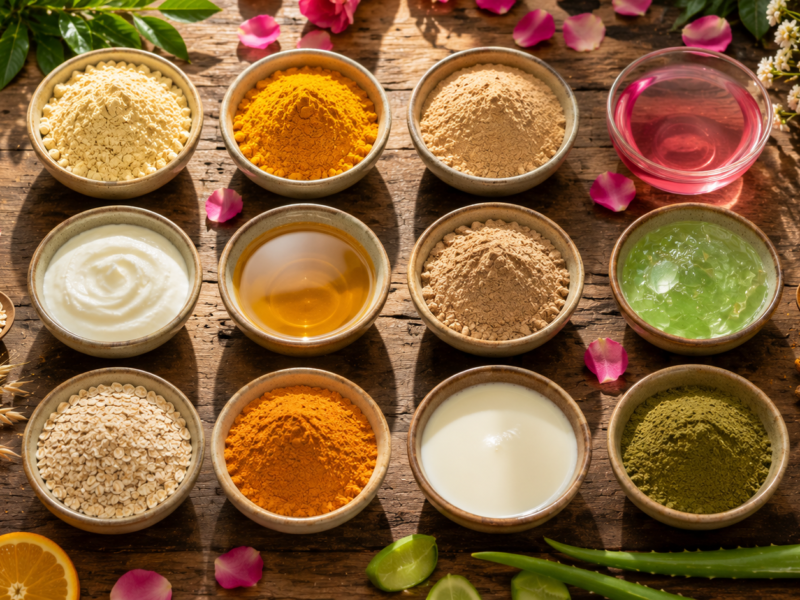
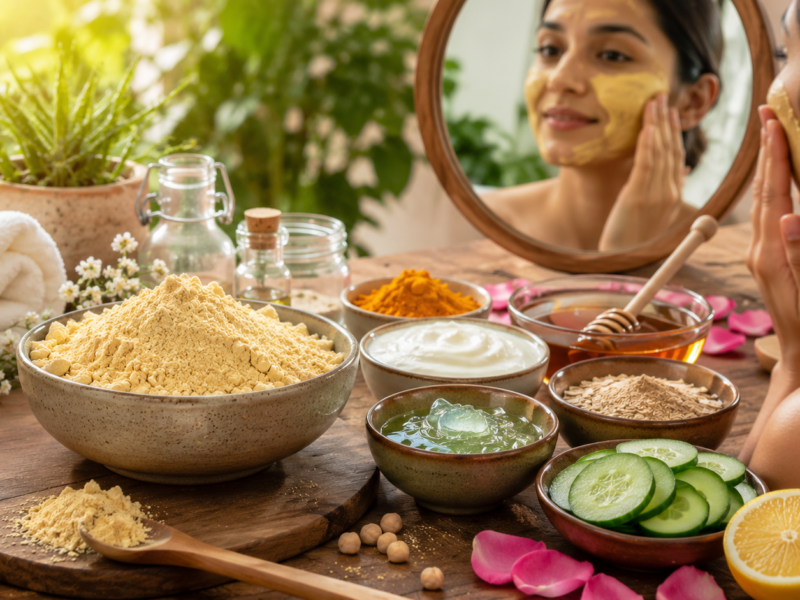
Creating your own herbal face masks can be a fulfilling and effective way to address acne-prone skin. Below are several recipes designed to cater to various preferences and skin types.
1. Calming Chamomile Face Mask
- Ingredients: 2 tablespoons dried chamomile, 1 tablespoon honey, 1 tablespoon yogurt.
- Preparation: Brew chamomile in hot water for about 5 minutes. Strain the tea and allow it to cool. Combine the cooled chamomile tea with honey and yogurt.
- Application: Apply the mask evenly on your face, avoiding the eye area. Let it sit for 15-20 minutes, then rinse with warm water.
- Frequency: Use this mask 1-2 times a week to help soothe inflammation.
2. Healing Turmeric and Clay Mask
- Ingredients: 1 teaspoon turmeric powder, 2 tablespoons bentonite clay, water to mix.
- Preparation: Mix turmeric and bentonite clay in a bowl. Gradually add water until a paste forms.
- Application: Smooth the mixture across your face and leave it on for 10-15 minutes. Rinse thoroughly with warm water.
- Frequency: Utilize this mask once a week to benefit from its anti-inflammatory properties.
3. Nourishing Aloe Vera and Oatmeal Mask
- Ingredients: 2 tablespoons aloe vera gel, 1 tablespoon ground oatmeal.
- Preparation: Combine aloe vera and ground oatmeal in a bowl to create a smooth mixture.
- Application: Apply the mask to your face, allowing it to sit for about 15 minutes before rinsing off with cool water.
- Frequency: This mask can be used 2-3 times a week for its calming effects.
These DIY herbal face masks not only help in managing acne but also promote skin health using natural ingredients. Always conduct a patch test prior to full application to ensure no adverse skin reactions occur. Experiment with these recipes to find what works best for your skin type.
How to Properly Apply Herbal Masks
Applying herbal face masks effectively is essential for maximizing their benefits, especially for those with acne-prone skin. Proper application begins with skin preparation. It is vital to cleanse your face thoroughly to remove dirt, oil, and makeup. Start with a gentle cleanser that suits your skin type, and ensure your face is completely dry before proceeding.
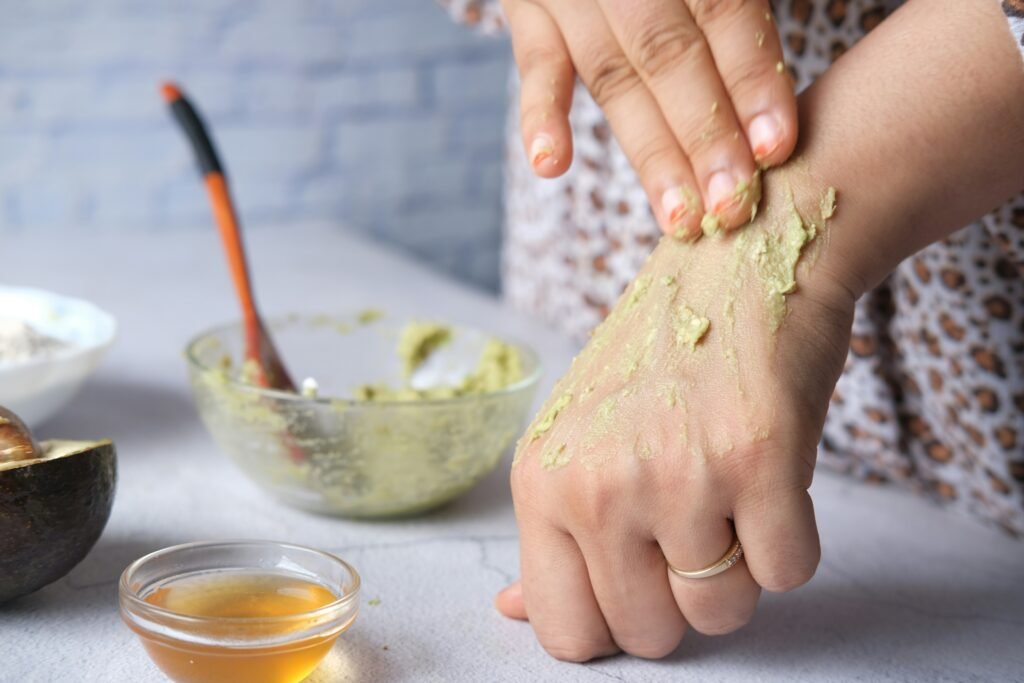
Once your skin is prepared, it’s time to apply the herbal mask. You can use clean fingers or a brush specifically designed for facial applications to ensure even distribution. Starting from the center of your face, work outward, applying the mask in an upward motion. This technique not only helps in spreading the mask evenly but also promotes blood flow to the skin, enhancing its overall appearance.
After application, it is generally recommended to leave the mask on for about 15 to 30 minutes. This duration allows the herbal ingredients to penetrate the skin effectively. However, be attentive to how your skin reacts to the mask; if you experience any discomfort or irritation, it is advisable to remove it sooner. When rinsing off the mask, use lukewarm water and gently massage the area with your fingertips to help exfoliate dead skin cells. This technique can help enhance the efficacy of the herbal mask.
Additionally, to boost the absorption of the herbal ingredients, consider applying a warm compress to your face prior to the mask application. The warmth opens up the pores and prepares the skin to receive the beneficial herbs better. After removing the mask, applying a gentle, non-comedogenic moisturizer can help lock in hydration and further support your skin’s barrier against acne.
Complementary Skincare Practices
To maximize the benefits of homemade herbal face masks for acne-prone skin, it is essential to incorporate complementary skincare practices. A well-rounded approach will not only enhance the effectiveness of the herbal treatments but also promote overall skin health.
Maintaining a consistent and clean skincare routine is foundational. Regular cleansing of the face helps remove impurities and excess oils, which can contribute to acne outbreaks. It is advisable to choose a gentle, sulfate-free cleanser that will not strip the skin of its natural oils while effectively targeting acne-causing bacteria. Following cleansing, it is vital to apply non-comedogenic moisturizers that hydrate the skin without clogging pores. Lightweight formulations, such as gels or water-based moisturizers, can deliver moisture effectively while preventing breakouts.
Another important aspect is the choice of additional skincare products. It is critical to opt for non-comedogenic options, meaning products that are specifically formulated to not block pores. Many creams, sunscreens, and makeup items are available that cater to acne-prone skin, ensuring that while one seeks cosmetic coverage, it does not simultaneously exacerbate skin issues.
Additionally, adequate hydration plays a crucial role in maintaining skin health. Drinking sufficient water will help to keep the skin hydrated from within, supporting its natural barrier. Lastly, one’s diet significantly influences skin condition. Consuming a balanced diet rich in vitamins, antioxidants, and healthy fats can help improve skin clarity and reduce inflammation associated with acne. Foods high in omega-3 fatty acids, such as fish and walnuts, as well as a variety of colorful fruits and vegetables, can in turn complement the use of herbal face masks effectively, leading to better results.
Common Mistakes to Avoid
When utilizing homemade herbal face masks for acne-prone skin, it is essential to be aware of several common mistakes that can hinder the desired results. First and foremost, overuse of these masks can lead to skin irritation or sensitivity. Many individuals may mistakenly believe that applying a mask daily will expedite healing, but frequent use can strip the skin of its natural oils, resulting in increased dryness and potential breakouts. Instead, it is advisable to use herbal masks once or twice a week, allowing the skin to benefit without becoming overwhelmed.
Another frequent mistake involves skipping the patch-testing phase when trying new ingredients. Herbal components, although natural, can still cause allergic reactions or irritate sensitive skin. It is crucial to conduct a patch test on a small area of the skin before fully applying a new mask. This practice helps to identify any adverse reactions early on, preventing widespread discomfort or breakouts.
Furthermore, ignoring skin responses can be detrimental when using herbal masks. If redness, swelling, or discomfort arises after application, it is essential to discontinue use immediately. Every individual’s skin has unique sensitivities, and what works for one person may not work for another. Monitoring the skin’s reaction to the mask can guide future choices and help in selecting the most suitable ingredients.
To achieve the best outcomes with homemade herbal face masks, one must avoid these common missteps. By focusing on moderation, thorough testing of new ingredients, and attentiveness to skin responses, users can harness the benefits of herbal masks effectively and promote clearer, healthier skin.
Lifestyle Tips for Acne Management
Managing acne effectively requires not only the application of topical treatments but also an understanding that skin health is deeply intertwined with one’s overall lifestyle. To this end, incorporating healthy habits into daily routines can have a significant impact on acne management.
Nutrition plays a crucial role in maintaining skin health. Consuming a balanced diet rich in fruits, vegetables, whole grains, and lean proteins can support clearer skin. Foods high in antioxidants, like berries and leafy greens, can combat oxidative stress and inflammation, both of which contribute to acne. It is advisable to reduce intake of processed foods, sugars, and dairy, as these can exacerbate acne breakouts.
Stress management is another vital component of acne management. Chronic stress can increase hormone levels, which may trigger acne flare-ups. Incorporating relaxation techniques such as yoga, meditation, or even regular physical exercise can help mitigate stress levels. Engaging in regular physical activity not only promotes overall health but also improves blood circulation, which is essential for delivering nutrients to the skin.
Moreover, ensuring adequate sleep is essential for skin-repair processes. Lack of sleep can lead to increased inflammation and breakouts. Establishing a consistent sleep schedule and creating a calming nighttime routine can promote restful sleep, allowing the skin to rejuvenate overnight.
Hydration cannot be overlooked in the pursuit of healthy skin. Drinking plenty of water helps to flush out toxins and keeps the skin moist. Aim for at least eight glasses of water daily, and consider incorporating hydrating foods such as cucumbers and melons into your diet.
By implementing these lifestyle changes, individuals can support their skin’s health holistically, fostering a foundation for managing acne effectively.
Conclusion and Final Thoughts
Throughout this blog post, we have explored various homemade herbal face masks specifically designed for acne-prone skin. These natural remedies utilize ingredients such as honey, aloe vera, and green tea, each known for their beneficial properties in promoting clearer skin. By incorporating these masks into your skincare regimen, you can harness their healing potentials effectively.
It is crucial to remember that consistency is key in any skincare routine. Regular application of these herbal face masks can lead to improvements in skin texture and reduction in acne over time. However, patience is also essential, as visible results may take time. Individual skin types can respond differently to herbal ingredients, so it might be a good idea to perform a patch test before applying any new mask to your entire face.
We encourage you to experiment with the suggested masks, adjusting the ingredients to suit your specific skin needs. Personalization can enhance the effectiveness of these herbal treatments. Moreover, alongside using these masks, maintaining a comprehensive skincare routine that includes cleansing and moisturizing will yield better overall results.
As you embark on this journey to achieve clearer skin, acknowledge that natural solutions require a commitment and a holistic approach to skincare. Embracing this lifestyle change can lead not just to improvements in acne, but also to healthier skin in general. With time, you may find these homemade remedies not only beneficial but also a soothing ritual to include in your self-care practices.