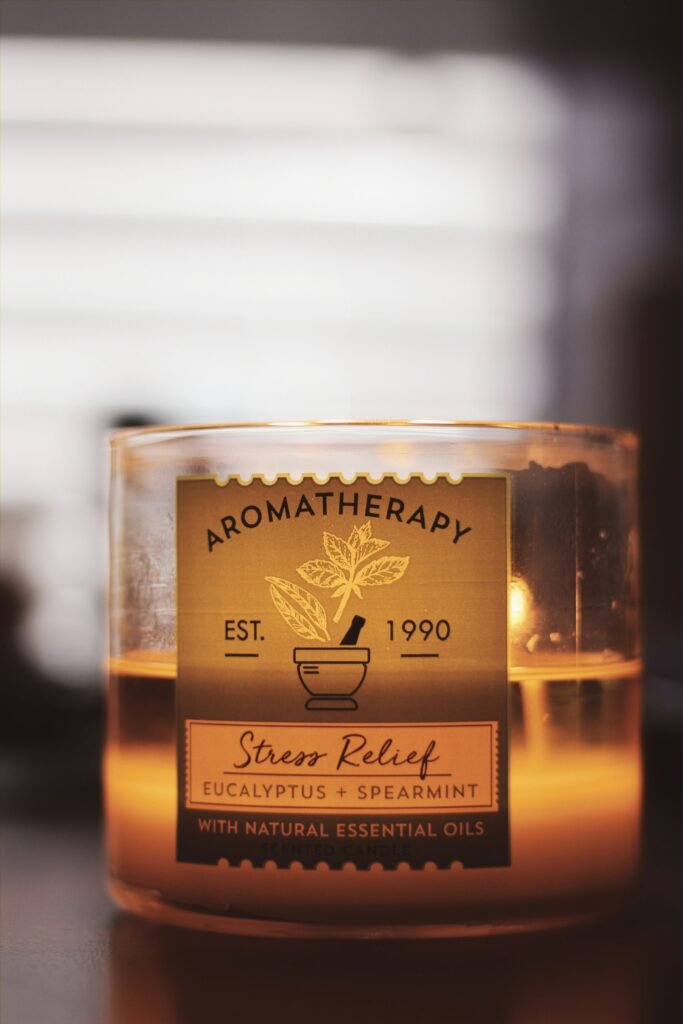
Introduction to Stress and Anxiety
Stress and anxiety are prevalent mental health conditions that significantly impact individuals in today’s fast-paced and demanding world. Stress is often described as the body’s reaction to external pressures or challenges, whereas anxiety pertains to a sustained, excessive worry about anticipated future events or outcomes. Both stress and anxiety can manifest in various ways, affecting one’s emotional, psychological, and physical well-being.
Common causes of stress include work-related pressures, financial concerns, relationship issues, and health problems. These triggers can lead to a range of physiological responses, including increased heart rate, muscle tension, and fatigue. Similarly, anxiety may stem from factors such as social interactions, performance expectations, or genetic predispositions. Individuals may experience symptoms like restlessness, irritability, and difficulty concentrating, which can further affect their overall quality of life.
Understanding the impact of stress and anxiety on health is crucial. Chronic stress can lead to serious health complications, such as cardiovascular disease, obesity, and a weakened immune system. Anxiety disorders, on the other hand, are associated with higher rates of depression and may lead to conditions like panic disorders or phobias. Recognizing the interplay between mental and physical health underscores the urgency for effective management strategies.
Natural treatments have garnered attention as viable options for addressing stress and anxiety. These approaches often include the use of herbal remedies, mindfulness practices, and lifestyle modifications that promote a balanced emotional state without the side effects associated with pharmaceuticals. As we delve deeper into this guide, the exploration of various herbal treatments will be underscored as essential components in fostering resilience against stress and anxiety.
The Science Behind Herbal Remedies
Herbal remedies have garnered significant attention as natural treatments for stress and anxiety, attracting interest in their biological and psychological mechanisms. Phytochemicals, the bioactive compounds found in plants, play a crucial role in how these remedies operate within the human body. These chemical constituents can interact with various neurotransmitter systems, influencing mood and emotional well-being.
One of the primary mechanisms by which herbal treatments alleviate stress and anxiety is through their impact on neurotransmitter activity. For instance, compounds like flavonoids and terpenes are known to modulate the levels of serotonin and dopamine, neurotransmitters that are essential for regulating mood. By enhancing these neurotransmitter levels, herbal remedies such as chamomile, St. John’s Wort, and ashwagandha may contribute to improved mood and reduced feelings of anxiety.
Moreover, numerous studies indicate that certain phytochemicals can exert an adaptogenic effect, helping the body adapt to stressors. For example, ashwagandha is recognized for its ability to lower cortisol levels, a hormone produced during stress. Lowering cortisol can lead to reduced feelings of anxiety and promote a more relaxed state. Additionally, herbal treatments can offer anti-inflammatory properties, addressing underlying physiological conditions that may exacerbate stress and anxiety symptoms.
On a psychological level, herbal remedies may also facilitate a placebo effect where the belief in their efficacy enhances the perceived benefits. This interplay between mind and body is essential to understanding how these treatments can produce positive outcomes. When individuals feel empowered by their choices in natural remedies, it can foster a sense of control over their stress-related experiences, further enhancing their well-being.
Top 10 Herbal Treatments for Stress and Anxiety
Managing stress and anxiety has become increasingly important in today’s fast-paced world. Incorporating herbal treatments can be a soothing solution, as various herbs are renowned for their calming properties. Here are ten effective herbal treatments for stress and anxiety:
1. Chamomile: Chamomile is widely recognized for its calming effects. Traditionally consumed as a tea, it may help alleviate symptoms of anxiety and promote sleep. Side effects are rare, but excessive consumption can lead to nausea.
2. Lavender: Lavender oil is frequently used in aromatherapy and is known for its relaxing aroma. Inhalation or topical application may reduce anxiety levels and improve mood without significant side effects.
3. Passionflower: Passionflower is often utilized for its sedative properties. It is believed to enhance GABA production, which may aid in reducing anxiety symptoms. Mild side effects can include dizziness or confusion in some individuals.
4. Ashwagandha: This adaptogenic herb has garnered attention for its ability to reduce stress levels. Ashwagandha may help stabilize cortisol levels and enhance overall wellbeing. While generally safe, it may cause gastrointestinal issues for some.
5. Valerian Root: Valerian is commonly used as a natural sleep aid due to its sedative properties. Its effects on anxiety can be quite effective, though it may lead to drowsiness or headaches in some cases.
6. St. John’s Wort: Known for its antidepressant effects, St. John’s Wort has been researched for its utility in managing mild anxiety. However, it may interact with other medications, necessitating caution.
7. Lemon Balm: Lemon balm is a member of the mint family and is known for its calming effects. Consuming it as a tea or in supplement form may help in reducing anxiety, though side effects are rare.
8. Holy Basil: Also termed Tulsi, Holy Basil is considered sacred in some cultures. It may assist in stress management and anxiety reduction while being well-tolerated with minimal reported side effects.
9. Rhodiola Rosea: This adaptogenic herb may enhance resilience to stress and fatigue. It could be beneficial for anxiety, though excessive intake may lead to irritability.
10. Hops: Often associated with beer production, hops may have sedative effects beneficial for treating anxiety. Some individuals may experience drowsiness or gastrointestinal upset if consumed in excess.
Each of these herbs offers unique benefits for stress and anxiety management. However, it is critical to consult with a healthcare professional before beginning any new herbal regimen, particularly if you are currently on medication or have pre-existing conditions.
How to Use Herbal Remedies Safely
Incorporating herbal remedies into one’s daily routine can be advantageous for alleviating stress and anxiety. However, it is crucial to approach this with care to ensure safety and effectiveness. Initially, it is highly recommended to consult with a healthcare professional, particularly if you have pre-existing conditions or are currently taking medication. This step ensures that chosen herbal treatments do not interfere adversely with your health or prescribed therapies.
When beginning with herbal treatments, dosage is a fundamental aspect that warrants attention. Each herb has its unique properties and recommended dosages, which can vary based on the form of the remedy. Herbal remedies can come in various forms, including teas, capsules, tinctures, and extracts. For instance, herbal teas may be consumed multiple times a day, while capsules typically follow specific guidelines on their label. Tinctures, which are concentrated extracts, often require fewer drops compared to the volume of tea one would drink. Understanding the right dosage is essential to avoid potential side effects or adverse reactions.
It is also advisable to start with lower doses and gradually increase as needed, closely monitoring any changes in your physical or emotional state. Moreover, keeping a journal can be beneficial to track your experiences and responses to specific remedies. By documenting the effects, you can make informed decisions regarding which herbs work best for you and adjust your regimen accordingly.
Furthermore, ensuring the quality of herbal products is vital. It is recommended to choose reputable brands that conduct thorough testing of their products for purity and potency. This diligence safeguards against contaminants and ensures that the herbal remedies you integrate into your routine are both safe and effective.
Combining Herbs with Other Therapies
Herbal treatments have gained popularity as a natural means to alleviate stress and anxiety, providing benefits that can be enhanced when integrated with other therapeutic approaches. Combining herbal remedies with mindfulness practices, meditation, and cognitive behavioral therapy (CBT) forms a comprehensive strategy for managing mental health. This integrative approach not only addresses the symptoms of stress and anxiety but also enhances an individual’s overall well-being.
Mindfulness involves maintaining a moment-by-moment awareness of our thoughts, feelings, bodily sensations, and the surrounding environment. When combined with herbal treatments such as chamomile or ashwagandha, which are known for their calming effects, individuals may experience a more profound sense of tranquility. The synergistic effect of these herbs can enhance one’s capacity for mindfulness, allowing for a deeper engagement with the present moment and reducing feelings of anxiety.
Meditation serves as another effective tool in the management of stress and anxiety. Incorporating herbal remedies into a meditation practice might amplify its calming effects. For instance, using essential oils from calming herbs like lavender during meditation sessions can create a soothing atmosphere, fostering relaxation and emotional stability. This approach not only aids in reducing the physiological responses associated with stress but also promotes a mental state conducive to peace and clarity.
Furthermore, cognitive behavioral therapy (CBT), which focuses on modifying negative thoughts and behaviors, can be successfully enhanced with the incorporation of herbal treatments. Certain herbs may support the brain’s neurochemical balance, potentially reinforcing the cognitive strategies learned during CBT. For example, St. John’s Wort is often used to help treat mood disorders, which can complement cognitive therapy practices by improving emotional resilience.
In summary, a holistic approach that combines herbal treatments with mindfulness, meditation, and cognitive behavioral therapy can yield substantial benefits for managing stress and anxiety. By engaging in this multifaceted strategy, individuals may enhance their relaxation and increase their overall mental health effectiveness.
Lifestyle Changes that Enhance Herbal Treatments
Combining lifestyle modifications with herbal treatments can significantly amplify the positive impacts on stress and anxiety management. A holistic approach promotes overall well-being and maximizes the benefits of natural remedies.
One of the foremost lifestyle changes is dietary adjustment. A balanced diet rich in whole foods, including vegetables, fruits, whole grains, and lean proteins, can provide essential nutrients that support physical and mental health. For instance, incorporating omega-3 fatty acids found in fish, nuts, and seeds can help reduce anxiety symptoms. Furthermore, limiting stimulants like caffeine and sugar may help maintain a more stable mood.
Regular physical activity is another crucial element that enhances the effectiveness of herbal treatments. Engaging in exercise not only releases endorphins, which are natural mood lifters but also lowers levels of the body’s stress hormones, such as cortisol. Activities such as walking, yoga, and tai chi are particularly effective, as they promote both physical fitness and mental relaxation.
Prioritizing quality sleep is essential for managing stress and anxiety. Sleep hygiene practices, such as maintaining a consistent sleep schedule, creating a relaxing bedtime routine, and fostering a comfortable sleep environment, can improve sleep quality. Herbal treatments can also support better sleep, but their effects can be amplified when combined with these healthy sleep habits.
Moreover, adopting stress management techniques, including mindfulness, meditation, and deep breathing exercises, can work synergistically with herbal remedies to reduce stress levels. Incorporating these practices into daily routines can help individuals manage their anxiety more effectively, making it easier to harness the full benefits of herbal treatments.
Transformative Experiences with Herbal Treatments
The powerful impact of herbal remedies on stress and anxiety is evident through various personal accounts shared by individuals seeking alternative treatments. One notable story comes from Sarah, a busy corporate professional who faced daily challenges with overwhelming stress and anxiety. After exploring herbal solutions, she discovered the calming properties of chamomile tea. Incorporating this herbal treatment into her nightly routine allowed her to attain a restful sleep, leading to notable improvements in her overall mood and daily productivity.
Another inspiring testimony comes from John, who struggled with anxiety during the pandemic. With limited options for traditional therapy due to lockdown restrictions, he turned to herbal supplements, specifically ashwagandha. John reported a significant decrease in his anxiety levels after consistently using ashwagandha, enabling him to regain a sense of control over his life and allowing for more enjoyable social interactions. His experience reflects a common trend noticed by many: the efficacy of certain herbs in alleviating symptoms of anxiety when integrated into personal wellness regimens.
Furthermore, Emily’s journey highlights the diverse responses individuals may have to different herbal treatments. After years of battling anxiety without much success, she decided to try valerian root. Though the initial effects were subtle, over time she noticed an improvement in her ability to manage stress. Emily’s story emphasizes the importance of patience and careful exploration of herbal options suitable for individual needs.
These personal narratives underline the transformative power of herbal treatments in managing stress and anxiety. Collectively, they showcase a spectrum of positive results, illustrating that while responses can vary, the potential benefits of incorporating herbal remedies into wellness practices are worth considering for those seeking alternative paths to mental well-being.
Common Misconceptions about Herbal Remedies
Herbal remedies for stress and anxiety have gained significant popularity in recent years, yet several misconceptions surrounding their usage remain prevalent. One of the most common myths is that all herbal treatments are entirely safe and free from side effects. While it is true that many herbs have beneficial properties, they can also interact with medications and cause adverse effects in certain individuals. Hence, it is crucial to consult a healthcare professional before starting any herbal regimen.
Another misconception is that herbal remedies provide an immediate effect comparable to conventional pharmaceutical medications. Many users expect instant relief; however, most herbal treatments require consistent use over a period to experience their full benefits. This gradual onset may lead some individuals to believe that herbs do not work at all, which could not be further from the truth. Patience and persistence are often necessary with herbal approaches.
Furthermore, some people mistakenly believe that all herbal products are created equal. The efficacy of herbal remedies can vary significantly due to factors such as the quality of the herb, the method of preparation, and individual responses. Not all supplements marketed as stress and anxiety treatments are based on sound scientific evidence. Thus, it is essential to choose products from reputable suppliers and look for those that adhere to good manufacturing practices.
Lastly, a prevalent belief is that herbal remedies can replace traditional therapy or medication entirely. While they can be a valuable complement to a comprehensive treatment plan, they should not be seen as standalone solutions for anxiety or stress. Evidence-based therapies, along with a holistic approach catering to mental and emotional health, often yield the best outcomes. By addressing these misconceptions, individuals can make informed decisions about incorporating herbal remedies into their wellness routines.
Conclusion: Embracing Nature for Mental Wellness
In today’s fast-paced world, stress and anxiety have become prevalent issues affecting a significant portion of the population. As individuals seek alternative methods to alleviate these conditions, natural herbal treatments are emerging as a viable option. The incorporation of herbal remedies into a wellness routine offers numerous benefits, including reduced anxiety levels and improved overall mental health.
Herbs such as chamomile, lavender, and valerian root have been recognized for their calming properties. Utilizing these natural options can not only help reduce symptoms of stress but also foster a sense of tranquility and relaxation. Moreover, many herbal treatments have the added advantage of being less invasive than traditional medications, often resulting in fewer side effects. By selecting a natural approach, individuals may find themselves better equipped to manage their feelings of anxiety and stress in a holistic manner.
It’s essential to remember, however, that while natural herbal remedies can provide significant support, they are not a substitute for professional medical advice. Consulting with a healthcare professional before starting any new treatment is crucial, especially for individuals with pre-existing health conditions or those who are currently taking medications. Integrating herbal treatments can be most effective when done in conjunction with professional guidance.
In embracing the potential of nature’s bounty, individuals can discover a harmonious balance in their mental wellness journey. By exploring the myriad of herbal options available and seeking the counsel of healthcare providers, anyone can take meaningful steps towards reducing stress and anxiety, thereby enhancing their overall quality of life.