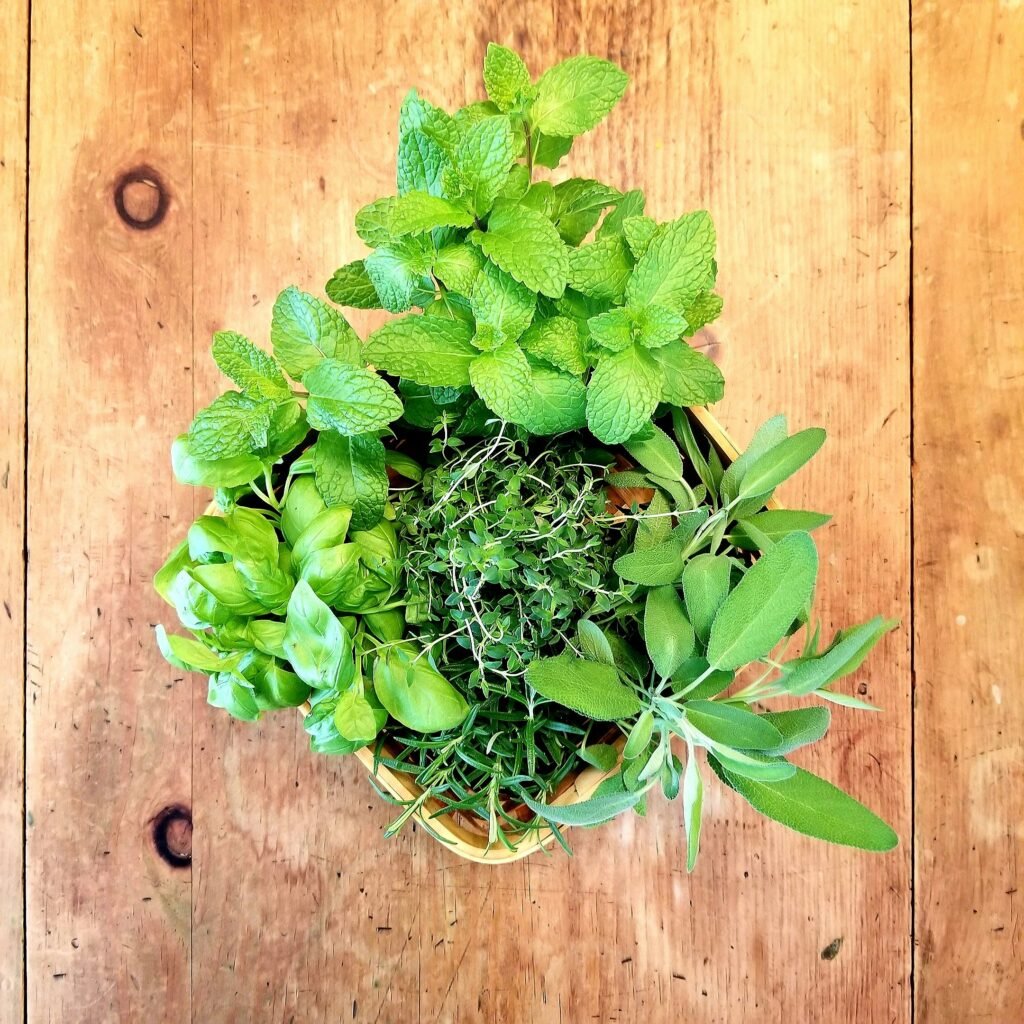
Introduction to Herbal Cooking
Herbal cooking, an art that has been practiced for centuries, incorporates fresh garden herbs into culinary practices, elevating flavors and enhancing nutritional profiles. For those new to cooking, exploring the use of herbs is an inviting path that not only sparks creativity but also encourages a connection to natural ingredients.
Fresh herbs, such as basil, oregano, thyme, and parsley, are not merely garnishes; they serve as vibrant components that can transform ordinary dishes into extraordinary culinary experiences. Their ability to add depth, brightness, and distinct notes to recipes makes them invaluable in the kitchen. Beyond flavor, many herbs offer health benefits, contributing antioxidants and important vitamins that support overall well-being.
Utilizing herbs in cooking allows for a cultivation of taste beyond the barriers of salt and fat. As beginner cooks embark on their culinary journey, the introduction of herbs can inspire experimentation and exploration of diverse global cuisines. For instance, incorporating herbs like cilantro or mint in Mediterranean recipes can create fresh and zesty flavors that highlight the dish’s ingredients. The integration of these herbs not only enhances taste but also adds a layer of sophistication.
Another significant aspect of herbal cooking is its accessibility. Most herbs can be easily grown in pots or gardens, making them a convenient choice for home cooks. This enhances the joy of cooking, as individuals can harvest their ingredients right before use, ensuring freshness that store-bought herbs often lack. Moreover, the sustainable practice of growing herb gardens fosters an appreciation for food sources.
As beginner cooks delve into herbal cooking, they will find it offers a simple yet rewarding avenue for creativity, health, and enjoyment in the culinary arts. This engagement can foster lifelong habits of cooking with fresh, vibrant ingredients that promote a wholesome lifestyle.
Choosing the Right Herbs for Your Garden
Starting a home garden can be an exciting and rewarding experience, especially when it involves growing fresh herbs. For beginners, selecting the right herbs can greatly influence the ease of cultivation and the culinary enjoyment they provide. Some of the most beginner-friendly herbs to grow include basil, parsley, cilantro, chives, and mint.
Basil is an excellent choice for novice gardeners. It thrives in warm conditions and requires plenty of sunlight—at least six hours a day is ideal. This herb not only enhances dishes such as pasta and salads but also serves as a key ingredient in pesto, making it a versatile addition to your culinary repertoire.
Parsley, another favorite among beginner gardeners, is relatively easy to grow from seed, although it can take some time to germinate. It prefers well-drained soil and partial sunlight. Widely used as a garnish, parsley also adds a fresh flavor to soups, salads, and sauces, making it a staple for many recipes.
Cilantro is a herb often sought after for its unique flavor in various cuisines, particularly Mexican and Asian dishes. It thrives in cooler temperatures, making it an excellent herb for spring and fall planting. Like parsley, cilantro can also be grown from seeds, and it needs well-draining soil with moderate sunlight.
Chives are not only easy to grow but also provide a mild onion flavor to dishes. They can flourish in a variety of conditions, including both soil and containers, and require minimal care. Chives pair well with eggs, salads, and soups, adding a subtle depth to recipes without overwhelming other flavors.
Finally, mint is exceptionally forgiving and can thrive in various conditions, making it perfect for beginners. However, it is important to contain it, as mint can rapidly spread beyond its intended area. This fragrant herb is ideal for use in teas, desserts, and savory dishes, further enhancing its appeal. With these herbs, novice gardeners can create a flourishing garden that will contribute richly to their culinary endeavors.
Harvesting and Storing Fresh Herbs
Harvesting herbs is a crucial step that influences the flavor and potency of your culinary creations. To begin, the best time to harvest garden herbs is during the morning hours after the dew has evaporated but before the sun reaches its peak. This timing helps to preserve the essential oils, leading to a more robust flavor. When harvesting, consider using clean, sharp scissors or pruning shears to avoid damaging the plant. Aim to cut just above a leaf node, which encourages healthy regrowth.
While harvesting, be mindful of not taking more than one-third of the plant at a time. This practice promotes sustainability and ensures that the plant can continue thriving throughout the growing season. For herbs that flower, such as basil and mint, consider removing flowers promptly, as they can significantly alter the herb’s taste.
After harvesting, proper storage is essential to maintaining the freshness of your herbs. For fresh herbs, one of the most effective methods involves treating them like cut flowers. Place the stems in a jar with a small amount of water, covering the leaves with a plastic bag to create a mini-greenhouse effect. This approach can extend the shelf life of fresh herbs for up to a week when kept in the refrigerator. Alternatively, herbs can be wrapped in a damp paper towel and stored in a resealable plastic bag, ensuring that excess moisture does not promote rot.
For those wishing to store herbs long-term, drying is an excellent option. Simply tie the herbs in small bundles and hang them in a dry, dark, and well-ventilated area. Once dried, store the herbs in airtight containers away from light and moisture, which will help maintain their flavor and efficacy for several months. Whether using fresh or dried, proper harvesting and storing techniques will significantly enhance your culinary experience with these garden treasures.
Basic Herbal Infusions and Teas
Herbal infusions and teas offer a delightful way to enjoy the fresh flavors and health benefits of garden herbs. These simple recipes can be easily prepared using herbs available in your backyard, making it accessible for beginners to experiment with various herbal blends. The essence of a good herbal tea lies not only in the choice of ingredients but also in the technique employed.
To create an herbal infusion, start by selecting your desired fresh herbs. Popular choices include mint, which is known for its refreshing flavor and soothing properties, and chamomile, revered for its calming effects. For a basic mint tea, take a handful of fresh mint leaves and rinse them under cool water to remove any dirt or insects. Chop the leaves slightly to release their natural oils, and then place them in a teapot or a heat-resistant container.
Next, bring water to a near-boil, about 190°F (88°C) to 200°F (93°C). Pour the hot water over the chopped mint leaves, ensuring they are fully submerged. Cover the container and let the infusion steep for about 5 to 10 minutes, depending on your taste preference. The longer you let it steep, the more robust the flavor will be. For an added layer of complexity, you can mix in other herbs like lemon balm or basil.
Chamomile tea can be prepared in a similar manner. Use fresh chamomile flowers, ensuring they are gently rinsed. Steep these flowers in hot water for approximately 4 to 6 minutes. The soothing aroma and taste make chamomile an excellent choice for evening relaxation. Experimenting with different combinations allows for personalized blends, enhancing the health benefits associated with each herb while enjoying a unique tea experience.
Herb-Infused Oils and Vinegars
Creating herb-infused oils and vinegars offers a simple way to elevate your culinary experience by incorporating the vibrant flavors of fresh garden herbs. This process involves steeping herbs in oil or vinegar, allowing their aromatic qualities to infuse the medium with delightful essence. Two popular recipes are basil oil and rosemary vinegar, both of which can enhance various dishes, including salads and marinades.
To create basil oil, begin by gathering a cup of fresh basil leaves, a cup of extra virgin olive oil, and a clean glass bottle for storage. If desired, thoroughly wash and dry the basil leaves to remove any moisture. Heat the olive oil in a saucepan over low heat, ensuring it does not boil. Add the basil leaves to the warm oil and let them steep for about 15 to 20 minutes, allowing the flavor to meld. Once infused, strain the mixture through a fine sieve or cheesecloth into the glass bottle. Seal tightly and store in a cool, dark place. This basil oil can be drizzled over salads, used in pasta dishes, or served as a dipping oil alongside bread.
For rosemary vinegar, gather four to six sprigs of fresh rosemary and a cup of white wine vinegar or apple cider vinegar. Place the rosemary sprigs directly into the vinegar in a clean jar. Seal the jar and allow it to rest in a cool, dark area for about two to three weeks. The longer the rosemary sits, the more robust the flavor becomes. This herb-infused vinegar can be utilized in salad dressings, marinades, or even as a zesty addition to homemade pickles. Pairing these herb-infused oils and vinegars with your favorite dishes can greatly enhance their flavor profile, making them a worthwhile addition to any culinary repertoire.
Fresh Herb Pesto Recipes
Pesto is a versatile and flavorful sauce that can elevate a variety of dishes. Making fresh herb pesto at home is surprisingly simple, and it allows for creativity and customization with the herbs you have readily available in your garden. Below are two easy recipes for preparing classic basil and parsley pestos, along with suggestions on how to incorporate these delightful sauces into your meals.
Basil Pesto is perhaps the most iconic version. To prepare this sauce, you will need 2 cups of fresh basil leaves, 1/2 cup of extra virgin olive oil, 1/3 cup of pine nuts, 2 garlic cloves, and 1/2 cup of grated Parmesan cheese. Start by combining the basil leaves, pine nuts, and garlic in a food processor. Pulse these ingredients until finely chopped. Slowly drizzle in the olive oil while continuing to blend until the mixture achieves a smooth consistency. Finally, add the grated Parmesan and pulse again to combine. This basil pesto pairs beautifully with pasta dishes, as a sandwich spread, or as a drizzle over grilled vegetables.
For a refreshing twist, consider the Parsley Pesto. This variation utilizes 2 cups of fresh parsley instead of basil, and the remaining ingredients remain similar. Combine the parsley leaves, garlic, and nuts of your choice (walnuts work nicely) in the food processor. As with the basil pesto, blend until chopped, and then gradually add olive oil until smooth. Stir in cheese, if desired, and enjoy! Parsley pesto is an excellent alternative for dishes where you want a lighter, more vibrant flavor, making it perfect for enhancing seafood or as a topping for crostini.
Both types of pesto can be stored in an airtight container in the refrigerator for about a week, or they can be frozen in ice cube trays for long-term use. Fresh herb pesto not only adds incredible flavor to meals but also incorporates the benefits of fresh herbs, making it a wonderful addition to your culinary repertoire.
Incorporating Fresh Herbs into Soups and Stews
Fresh herbs play a pivotal role in elevating the flavors of soups and stews, making them not only more aromatic but also more enticing on the palate. When using fresh herbs, it’s essential to consider their characteristics to maximize their potential in culinary creations. Common varieties such as thyme, bay leaf, and parsley are particularly beginner-friendly and versatile.
Thyme is a classic herb that imparts a warm, earthy flavor to dishes. For a simple herb-infused vegetable soup, begin by sautéing chopped onions, carrots, and celery in olive oil. Once softened, add minced garlic and fresh thyme leaves. Proceed by pouring in vegetable broth and your choice of diced vegetables such as potatoes or green beans. Season with salt and pepper, and let it simmer for about 20 minutes until the vegetables are tender. The thyme will infuse the soup with a delightful aroma.
Bay leaves are another excellent option when simmering soups and stews. They are typically added whole during the cooking process and removed before serving as they can be tough to chew. For instance, in a hearty beef stew, incorporate two bay leaves along with the beef, potatoes, carrots, and broth. The long cooking time allows the bay leaf to release its subtle flavor, enhancing the stew’s depth.
Lastly, parsley, both flat-leaf and curly, adds a fresh and bright note to dishes, making it ideal for garnishing. Once your soup or stew is finished cooking, chop fresh parsley and sprinkle it on top just before serving. This not only enhances the visual appeal of the dish but also adds a burst of flavor that complements the other ingredients.
Utilizing these herbs in your soups and stews is an effective way to enhance flavors while also providing a rewarding cooking experience. As you explore more recipes, consider experimenting with different herbs and combinations, allowing fresh garden herbs to inspire your culinary adventures.
Herbal Marinades for Meats and Vegetables
Marinades are an excellent way to infuse meats and vegetables with flavor, and using fresh garden herbs can elevate your dishes tremendously. By combining herbs with acidic ingredients like vinegar or citrus, you can create a tenderizing and flavorful marinade that enhances the natural taste of the ingredients.
To start, a simple yet effective marinade can be made using chopped fresh rosemary, garlic, and olive oil. Combine two tablespoons of finely chopped rosemary with three crushed garlic cloves and half a cup of olive oil. Add a tablespoon of lemon juice, salt, and pepper to taste. This marinade works exceptionally well with chicken or pork, providing a savory and aromatic profile.
Another herbaceous option is a basil and balsamic vinegar marinade, perfect for vegetables. Mix a quarter cup of fresh basil leaves with two tablespoons of balsamic vinegar, a tablespoon of honey, and a quarter cup of olive oil. This combination brings out the sweetness in peppers and zucchini. Let your vegetables marinate for at least 30 minutes before grilling or roasting to amplify the flavors.
If you wish to experiment, consider using herbs such as thyme or cilantro to create unique flavor profiles. For example, a thyme and mustard marinade for beef can be made by blending two tablespoons of Dijon mustard with fresh thyme leaves, olive oil, and a splash of red wine vinegar. This marinade imparts a rich, robust taste ideal for steaks.
It is important to remember that marinating time varies depending on the protein or vegetable used; generally, meats can benefit from longer marinating times of several hours or even overnight, while vegetables may only require 30 minutes to one hour to absorb the flavors. By utilizing fresh herbs in your marinades, you will not only enhance the taste of your dishes but also make the most out of your garden’s bounty.
Conclusion and Encouragement to Experiment
Throughout this blog post, we have explored various beginner-friendly herbal recipes that celebrate the vibrant flavors of fresh garden herbs. From cooking with basil to utilizing mint, each herb brings its unique character to the dishes we create. We learned not only how to incorporate herbs into our meals but also the significant culinary advantages they provide, such as enhancing flavor and promoting wellness.
Experimenting with fresh herbs can be a joyful experience that elevates ordinary recipes into remarkable culinary adventures. As you grow your own herb garden, consider the different flavors and aromas that each herb offers. Feel free to substitute or blend herbs according to your personal palate; for instance, replace parsley with cilantro in a salad or combine thyme with rosemary for a roasted chicken dish. The flexibility of using fresh herbs allows you to tailor recipes to your preferences, making cooking a more personalized experience.
Moreover, trying out various recipes can lead to delightful discoveries in the kitchen, whether you add herbs to savory dishes, salads, drinks, or even desserts. Do not be afraid to experiment and innovate. The beauty of cooking with fresh garden herbs lies in the creativity it fosters. You may find a new favorite combination or a unique dish that you can proudly share with family and friends.
In conclusion, diving into the world of fresh garden herbs and recipes is both rewarding and enriching. As you explore these flavors, remember that the kitchen is a space for creativity and experimentation. Embrace the process, enjoy the journey, and let your culinary skills flourish with the vibrant essence of herbs you grow yourself.