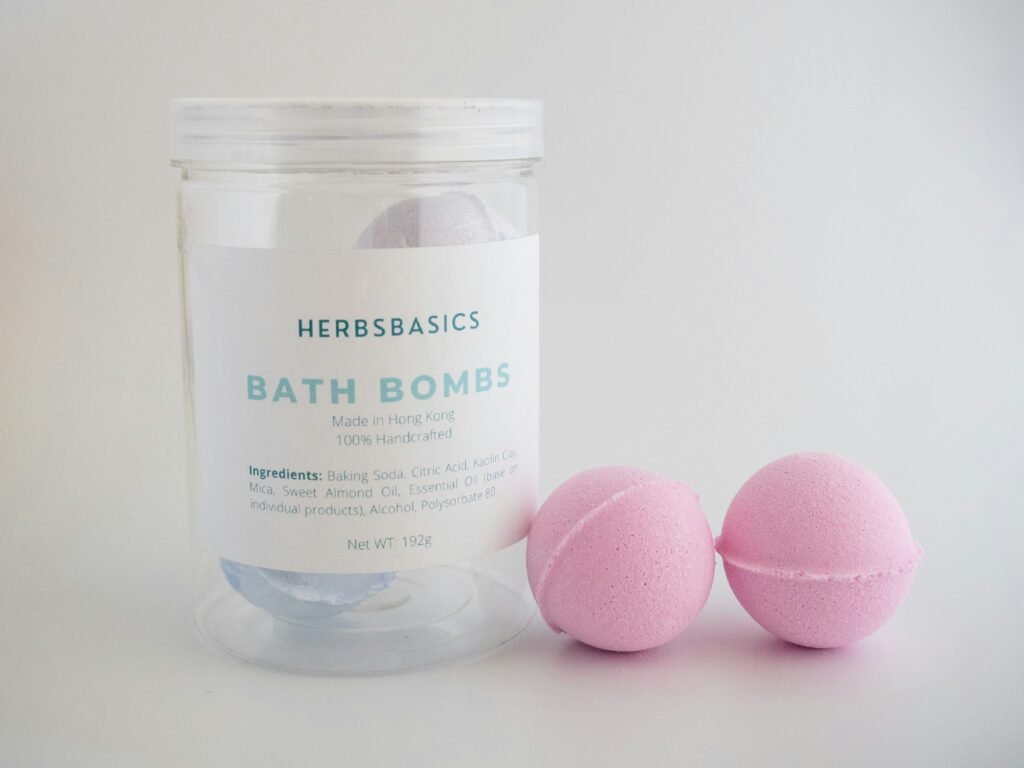
Introduction to Herbal Bath Soaks
Herbal bath soaks have been a cherished practice across various cultures for centuries, celebrated for their calming and restorative effects. The art of infusing bathwater with various herbs and plant extracts is rooted in ancient traditions, where bathing was not merely a ritual of cleanliness but a profound experience of relaxation and healing. The essential oils and nutrients released during this process not only soothes the mind but also revitalizes the body.
Throughout history, different societies have harnessed the therapeutic properties of herbs. For instance, the ancient Egyptians utilized fragrant herbs in their baths to promote relaxation and well-being, while traditional Chinese medicine emphasizes the use of herbal infusions for balance and health. Similarly, many Native American tribes have employed specific herbs in their bathing rituals to enhance spiritual well-being and physical health. This historical legacy underlines the potency of herbal elements in enhancing the bathing experience.
Modern-day herbal bath soaks incorporate a wide range of natural ingredients, from lavender and chamomile to rosemary and eucalyptus, each with its unique benefits. Lavender is renowned for its ability to alleviate stress and anxiety, whereas chamomile is often used for its gentle calming properties. Eucalyptus, on the other hand, helps with respiratory issues and provides a refreshing sensation. These herbal infusions can create an oasis of tranquility and rejuvenation in the everyday hustle.
In recent years, many individuals have turned to DIY herbal bath soaks, favoring homemade mixtures over commercial bath products laden with artificial fragrances and chemicals. This shift not only allows for customization based on personal preferences but also ensures the use of high-quality ingredients. Consequently, making herbal bath soaks at home can provide a fulfilling, natural way to unwind while engaging with the time-honored practice of nature’s healing remedies.
Benefits of Herbal Bath Soaks
Herbal bath soaks offer a multitude of benefits that can significantly enhance both physical and mental well-being. The use of natural herbs in bathing has been cherished for centuries across various cultures, and contemporary research supports many of these traditional practices.
One of the most pronounced benefits of herbal bath soaks is their ability to provide stress relief. Herbs like lavender and chamomile are well-known for their calming properties, which can help soothe the mind and promote relaxation. When infused in warm water, these herbs release aromatic compounds that stimulate the senses, leading to an overall reduction in anxiety levels. This sensory experience combined with the warmth of the bath creates an excellent environment for alleviating stress.
Another significant advantage of using herbal bath soaks is the support they provide for muscle relaxation. Ingredients such as eucalyptus and peppermint are renowned for their anti-inflammatory properties, which can help ease tension in muscles. The heat from the bath aids in increasing blood circulation, further allowing these herbs to penetrate the skin and relieve soreness. This makes herbal soaks particularly beneficial for individuals with hectic lifestyles or those engaged in rigorous physical activity.
Furthermore, herbal bath soaks contribute to improved skin health. Many natural ingredients possess beneficial properties that can soothe irritated skin, hydrate dry patches, and even reduce the visibility of blemishes. Herbs such as calendula and rose petals are praised for their skin-nourishing elements. Regular use of herbal bath treatments can lead to enhanced skin texture, providing a refreshing glow.
In conclusion, incorporating herbal bath soaks into one’s wellness routine can yield notable improvements in stress relief, muscle relaxation, and skin health. By choosing the right combination of herbs, individuals can create a personalized bathing experience that fosters relaxation and rejuvenation.
Essential Ingredients for Herbal Bath Soaks
Herbal bath soaks can be a delightful addition to your self-care routine, offering various benefits that promote relaxation and wellbeing. The effectiveness of these soaks lies in the selection of essential ingredients, each imparting unique properties that can elevate your bathing experience.
One of the most commonly used ingredients is Epsom salt, renowned for its high magnesium content. This mineral is known to alleviate muscle tension and pain, making it an ideal component for post-workout recovery or after a long day. When combined with herbs, Epsom salt can enhance overall relaxation and detoxification.
Another popular choice is sea salt, rich in minerals that nourish the skin and stimulate circulation. Sea salt not only provides exfoliation but also helps in drawing out impurities, leaving the skin feeling refreshed and rejuvenated. Additionally, it can create a soothing atmosphere when paired with fragrant herbs.
Lavender is a favorite herbal addition, celebrated for its calming aroma and skin-soothing properties. Known to reduce anxiety and improve sleep quality, lavender can create a peaceful bathing environment. Whether used in dried form or as essential oil, its floral fragrance offers both olfactory pleasure and therapeutic benefits.
Other notable ingredients include chamomile, which is often favored for its anti-inflammatory and calming effects, and rosemary, which can invigorate the senses while providing antimicrobial properties. Herbs like peppermint can add a refreshing sensation, helping to revive tired muscles.
When crafting your herbal bath soaks, consider these versatile ingredients and their individual benefits. Whether aiming for relaxation, rejuvenation, or skin nourishment, the careful selection of herbs and salts will enhance the effectiveness of your soak and foster a truly enjoyable experience.
Basic Herbal Bath Soak Recipe
Creating your own herbal bath soak is a rewarding process that allows you to customize your relaxation experience. This basic recipe combines dried herbs, salts, and essential oils to create an aromatic and soothing bath soak. The main ingredients include Epsom salts, which help to relieve muscle tension, and a selection of dried herbs that bring a range of therapeutic benefits.
To begin, gather the following ingredients: 1 cup of Epsom salts, 1 cup of sea salts, and 2 tablespoons of dried herbs such as chamomile, lavender, or rosemary. These herbs are known for their calming properties and will enhance your bathing experience. You may also choose to include a few drops of essential oils that complement the chosen herbs, such as lavender or eucalyptus, to amplify the aromatherapy effects.
Once you have all the ingredients, mix the salts together in a large bowl. Next, add the dried herbs, ensuring they are evenly distributed throughout the mixture. If using essential oils, begin by adding a few drops at a time, mixing well to achieve your preferred scent strength. Remember that essential oils are potent, so start small and add more if necessary.
After blending all the components, transfer the mix into an airtight container, such as a glass jar or a resealable bag. This will help preserve the potency of the herbs and maintain the aroma of the oils. When you are ready to indulge in a relaxing bath, pour about half a cup of your herbal bath soak into warm bath water. Allow the herbs to steep in the water for a few minutes before soaking to fully benefit from their soothing properties.
Customized Bath Soak Recipes for Different Needs
Creating a personalized herbal bath soak can significantly enhance your relaxation experience. By selecting specific herbs and additives that cater to your particular needs, you can address a variety of concerns—from calming anxiety to alleviating muscle tension or promoting restful sleep. Below are tailored recipes designed for these different relaxation needs.
1. Calming Anxiety: For those moments when anxiety feels overwhelming, consider this soothing blend. Combine 1 cup of Epsom salt with 1/2 cup of dried lavender and 1/2 cup of dried chamomile. The Epsom salt helps to relax muscles, while lavender and chamomile provide calming aromas that ease the mind. Simply mix the ingredients together and add them to your bath as the water runs, allowing the soothing scents to envelop you.
2. Reducing Muscle Tension: After an intense workout or a long day on your feet, a muscle-relaxing soak can provide relief. To create an effective soak, mix 1 cup of sea salt with 1/2 cup of dried rosemary and 1/2 cup of arnica flowers. Sea salt is known for its detoxifying properties, while rosemary enhances circulation, and arnica is often used to alleviate muscle soreness. Stir the mixture thoroughly before adding it to your warm bath.
3. Promoting Sleep: A calming bedtime ritual can set the stage for a restful night. For this purpose, create a blend using 1 cup of Epsom salt, 1/2 cup of dried valerian root, and 1/2 cup of dried passionflower. Valerian root is renowned for its sleep-inducing properties, while passionflower helps to reduce anxiety, making this combination particularly effective. Ensure that you add this mixture to your bath at least 30 minutes before bedtime to maximize relaxation.
These customized bath soak recipes can be easily prepared and adjusted based on individual preferences. By integrating specific ingredients that target your relaxation needs, you can transform your bathing experience into a holistic retreat, right in your own home.
How to Use Herbal Bath Soaks
Using herbal bath soaks can significantly enhance your relaxation experience and boost your overall well-being. To maximize the benefits of these soothing mixtures, it is essential to follow specific preparation techniques and soaking guidelines. Start by selecting an appropriate herbal bath soak, ensuring it aligns with your aromatic preferences and any desired therapeutic effects. You can either purchase a pre-made herbal soak or create one at home using herbs, salts, or essential oils known for their calming properties.
Once you have your herbal bath soak ready, begin by filling your bathtub with warm water. The temperature should be comfortable to your liking but not too hot, as this can lead to discomfort. After filling the tub, add approximately one cup of your chosen herbal bath soak, allowing it to disperse in the water. For enhanced effectiveness, let the soak steep for a few minutes before entering to release the maximum aroma and benefits from the herbs.
When ready to enjoy your soak, ease yourself into the warm water, allowing it to envelop you. It is generally recommended to soak for about 20 to 30 minutes to experience optimal relaxation and relief from stress. During this time, consider engaging in calming activities such as listening to soft music or practicing deep-breathing exercises.
After the bath, rinse your body gently with warm water to remove any residual herbs or salts. You may want to follow the soak with a nourishing body lotion or oil to keep your skin hydrated. To further enhance the relaxing experience, allocate time for resting or engaging in a quiet activity, allowing the benefits of the herbal soak to settle within you.
Storage and Preservation of Herbal Bath Soaks
Preserving the freshness and potency of homemade herbal bath soaks is essential for an optimal relaxation experience. Proper storage methods ensure that the natural benefits of the herbs remain intact, allowing users to enjoy their therapeutic properties over time. The selection of suitable packaging plays a crucial role in maintaining these qualities.
To begin with, it is advisable to store herbal bath soaks in airtight containers. Glass jars are particularly ideal as they do not react with the natural components of the herbs, helping to maintain their integrity. Ensure that the jars are clean and dry before adding the herbal mixture. For added safety, consider using dark glass containers, which provide protection from light exposure that can degrade the herbs’ essential oils and nutrients.
For short-term storage, a cool, dry place such as a pantry or bathroom cabinet is sufficient. However, if the intention is to keep the herbal bath soaks for an extended period, refrigeration may be recommended. Low temperatures slow down the degradation process, prolonging the shelf-life to several months, depending on the ingredients used.
As a rule of thumb, label each container with the date of preparation and specify its contents. This practice not only helps in keeping track of freshness but also serves as a reminder of the soak’s expected lifespan. Generally, homemade herbal bath soaks can last anywhere from six months to a year when stored properly. It is essential to conduct regular checks for any signs of spoilage, such as changes in color, aroma, or texture.
Finally, if you plan to gift these herbal bath soaks, consider using aesthetically pleasing packaging such as fabric pouches or decorative jars that enhance their presentation while still ensuring they are stored correctly. Following these best practices will aid in retaining the quality of your herbal bath soaks, ensuring that each bathing session remains a profoundly relaxing experience.
Additional Relaxation Techniques to Pair with Bath Soaks
Enhancing your relaxation experience during a bath soak can be immensely beneficial for both the body and mind. While a herbal bath soak provides a serene atmosphere, incorporating additional relaxation techniques can further promote tranquility and rejuvenation.
One effective method is practicing meditation. Before entering the bath, consider spending a few moments in a quiet space to focus on your breath. Sit comfortably, close your eyes, and allow your thoughts to settle. Focusing on deep breathing can help clear your mind of stress and prepare you for a more peaceful soak. Once in the bath, continue this meditative state by concentrating on the sensations of warmth and the subtle fragrances of the herbs.
Aromatherapy is another complementary practice that can significantly enhance your bath experience. Essential oils, known for their therapeutic properties, can be added to your bath soak. Oils such as lavender, chamomile, or eucalyptus promote relaxation and can elevate your mood. A few drops in your bathwater or an oil diffuser in your bathroom can envelop you in calming scents while you soak, further enriching the atmosphere.
Incorporating gentle stretching while in the bath is a practical approach to combining physical relaxation with your soak. Simple stretches can help release tension in the muscles and enhance circulation. Movements like neck rolls or shoulder shrugs can be easily performed in a sitting position within the tub and provide added relief as you absorb the soothing benefits of your herbal bath.
By integrating these relaxation techniques—such as meditation, aromatherapy, and gentle stretching—with your herbal bath soak, you can create a holistic experience that nurtures and restores both your physical and mental well-being.
Conclusion and Encouragement to Explore
In summary, creating your own herbal bath soaks presents a wonderful opportunity to enhance your relaxation routine while engaging in a fulfilling DIY project. The diverse range of ingredients discussed throughout this blog—from soothing lavender to invigorating eucalyptus—demonstrates the vast potential for customization and personal preference in crafting the perfect soak. Each component offers its own unique set of benefits, catering to different physical and emotional needs, making it essential to consider your desired outcome when selecting herbs and additives for your blend.
As you embark on your journey of self-care through homemade herbal bath soaks, we encourage you to experiment with various combinations of herbs, salts, and oils. Perhaps you might prefer a floral infusion one day and a refreshing citrus blend the next. Remember that the process of creating these mixtures can be just as enjoyable as the bath itself, involving creativity and thoughtful consideration. It is a wonderful way to reconnect with yourself and prioritize your well-being.
Moreover, do not hesitate to share your creations with friends and family, as homemade herbal bath soaks can also serve as thoughtful gifts. Combining different ingredients allows for endless possibilities; therefore, use this blog as a foundational guide while allowing your creativity to flourish. Ultimately, the goal is to embrace the fullness of life, taking time to unwind amidst the chaos. Cherish these moments of relaxation, and let your skin and spirit soak in the benefits of your endeavors.