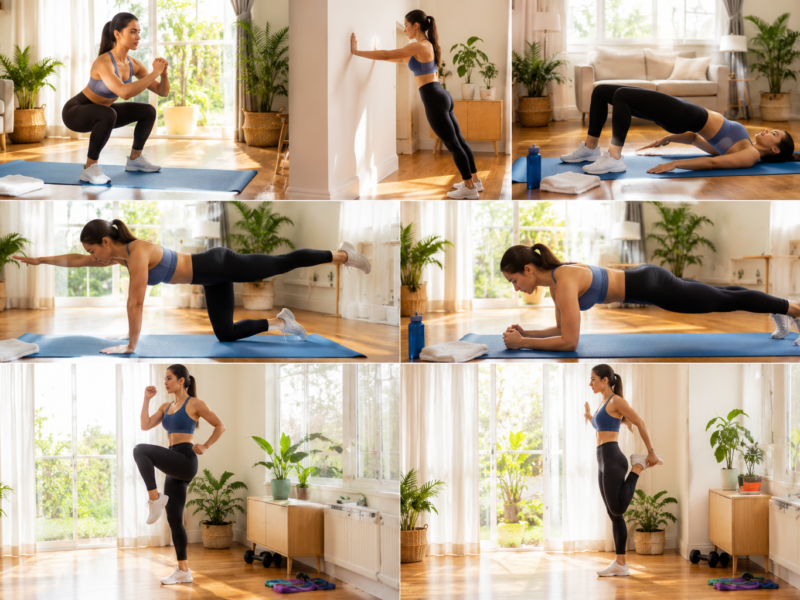
Introduction to Weight Loss at Home
In today’s fast-paced world, maintaining a healthy weight can be a significant challenge for many individuals. The concept of weight loss at home has gained increasing importance, especially as busy schedules often leave little time for trips to the gym. Home workouts provide a convenient solution to this dilemma, allowing individuals to exercise in the comfort of their own space while effectively managing their time.
The growing trend of at-home fitness routines highlights the desire for flexibility and accessibility. With numerous online resources, workout videos, and fitness apps available, anyone can start their weight loss journey without the need for expensive gym memberships or complicated equipment. This trend has made it easier for individuals to integrate physical activity into their daily routines, making exercise more achievable than ever.
Engaging in regular exercise at home not only aids in weight loss, but also contributes to overall well-being. Physical activity is essential for improving cardiovascular health, increasing strength and flexibility, and enhancing mental clarity. Furthermore, achieving weight loss through consistent exercise can significantly boost self-esteem and confidence, promoting a more positive body image.
In summary, weight loss at home is a practical and effective approach for individuals looking to improve their health and achieve their fitness goals. With the accessibility of home workouts and the many benefits they offer, it has never been more feasible to engage in regular exercise. This ultimate guide will explore the best exercises for weight loss at home to help you embark on a successful fitness journey.
Understanding Weight Loss: How It Works
Weight loss is fundamentally based on the concept of calories, which are units of energy that our bodies obtain from food. To lose weight, one must create a calorie deficit, meaning that the number of calories burned exceeds the number of calories consumed. This process involves both diet and exercise, which work hand in hand to help achieve and maintain a healthy weight.
The role of diet in weight loss cannot be understated. A balanced diet that is low in calories, yet rich in nutrients, can facilitate a steady and sustainable weight loss journey. Foods that are high in fiber and protein can promote satiety, thereby helping individuals eat less while still receiving necessary nutrients. Additionally, keeping an eye on portion sizes can help prevent overeating, which further aids in creating a calorie deficit.
Exercise is equally vital in the weight loss process. Engaging in physical activity helps burn calories and contributes to the body’s overall energy expenditure. However, its benefits extend beyond mere calorie burning. Regular exercise also builds lean muscle mass, which is crucial because muscle tissue burns more calories at rest compared to fat tissue. Consequently, increasing muscle mass can enhance one’s metabolism, making weight loss more efficient over time.
Metabolism plays a significant role in weight loss; it comprises the biological processes that convert food into energy. Factors such as age, gender, and genetic predisposition can influence individual metabolic rates. Understanding these variables and incorporating a combination of dietary restrictions and exercise can lead to effective weight loss outcomes.
In summary, achieving weight loss is a multifaceted process that relies on a careful balance of calorie intake, physical activity, and metabolic function. By focusing on these elements, individuals can work towards their weight loss goals in a healthy and sustainable manner.
Choosing the Right Exercises for Effective Weight Loss
Weight loss is a multifaceted process that is greatly influenced by the types of exercises undertaken. To achieve significant results, it is crucial to select exercises that not only align with your fitness levels but also cater to your personal preferences. Three main categories of exercise are particularly effective for weight loss: cardiovascular exercises, strength training, and high-intensity interval training (HIIT).
Cardiovascular exercises are fundamental for burning calories and improving overall heart health. Activities such as jogging, cycling, and swimming elevate the heart rate, leading to increased energy expenditure. These exercises can be easily performed at home with minimal equipment, making them accessible to many individuals. Regular engagement in cardiovascular workouts can lead to significant fat loss, especially when complemented with a balanced diet.
In contrast, strength training focuses on building muscle mass, which is essential for enhancing metabolic rate. Incorporating bodyweight exercises like squats, push-ups, and lunges can be highly effective for at-home workouts. As muscle mass increases, the body’s ability to burn calories at rest also improves, which contributes to long-term weight loss success. Additionally, strength training can help tone the body and enhance overall physical appearance.
High-intensity interval training (HIIT) combines short bursts of intense exercise followed by recovery periods, and it has gained popularity for its efficiency in burning fat. A typical HIIT workout can be completed in a short duration, making it suitable for individuals with tight schedules. This type of training maximizes calorie burn both during and after the workout, promoting weight loss more effectively than traditional steady-state exercises.
When choosing the right exercises for weight loss, it is essential to consider personal preference and fitness levels. Selecting activities that you enjoy will not only keep motivation high but also encourage consistency, which is critical for achieving and maintaining weight loss goals.
Creating a Home Workout Routine
Establishing an effective home workout routine is essential for those aiming to achieve weight loss and sustain health improvements. The first step in this process involves setting realistic goals tailored to individual fitness levels and weight loss aspirations. Consider creating both short-term and long-term goals; short-term goals may include completing a certain number of workouts per week, while long-term goals might focus on achieving a specific weight loss target.
Next, balancing different types of exercises plays a crucial role in a well-rounded workout routine. Aim to incorporate a mix of cardiovascular exercises, strength training, and flexibility workouts. This variety not only keeps your routine engaging but also facilitates weight loss by promoting overall body strength and endurance. For example, alternating days between high-intensity interval training (HIIT) and yoga can ensure a comprehensive approach to fitness.
Scheduling workouts consistently is key to forming an effective home workout habit. Designate specific days and times for exercise to create a structured routine. This schedule helps establish commitment and makes it easier to track progress. Additionally, consider integrating shorter, more focused sessions if time constraints are a concern. Even 20-30 minutes of exercise can be effective when performed consistently.
For individuals of various fitness levels, adjusting the intensity and duration of exercises is essential. Beginners should start slowly and gradually increase the difficulty as their fitness level improves. Utilizing bodyweight exercises can allow for modifications, ensuring that workouts remain accessible while still challenging. Furthermore, employing tools like resistance bands can enhance strength training without requiring a gym setup.
In summary, creating a home workout routine that is enjoyable, structured, and adjustable can significantly contribute to achieving weight loss goals. By setting achievable targets, balancing workouts, and remaining consistent, individuals can succeed in their fitness journeys from the comfort of their homes.
Best At-Home Cardio Exercises for Weight Loss
Cardiovascular exercises play a crucial role in weight loss and overall health. Engaging in at-home cardio workouts is an efficient way to burn calories, increase heart rate, and improve fitness levels, all from the comfort of your home. Below are some of the best cardiovascular exercises that can be performed at home, along with suggestions for duration, frequency, and beginner modifications.
1. Jumping Jacks: This classic exercise is excellent for elevating your heart rate and can be done anywhere. Aim for three sets of 30 seconds, with a 15-second rest in between. For beginners, modify by stepping out to the side instead of jumping.
2. Burpees: A full-body workout, burpees significantly enhance cardiovascular endurance. Start with one set of five to ten burpees, and gradually increase the count as your fitness level improves. For those just starting, eliminate the jump and perform a step back instead of jumping back into the plank position.
3. Running in Place: This simple exercise can be performed in small spaces and can be exceedingly effective. Aim to run in place for three to five minutes continuously, gradually increasing your duration as stamina develops. Variations such as high knees can also make it more challenging.
4. Cycling on a Stationary Bike: If you have access to a stationary bike, this is an excellent way to get a low-impact cardio workout. Aim for 20 to 30 minutes at a moderate intensity, adjusting the resistance to match your fitness level. Beginners can start with shorter durations and lower resistance.
Cardiovascular exercises not only promote weight loss but also enhance your mood and energy levels. For optimum results, aim to perform these exercises at least four to five times a week, varying the intensity to keep the body challenged.
Strength Training for Weight Loss: No Equipment Needed
Strength training is a critical component of any weight loss journey, and the good news is that you can effectively engage in strength training exercises at home without any gym equipment. Bodyweight exercises, which utilize your own weight as resistance, can significantly boost your metabolism and facilitate the development of lean muscle mass. Muscle tissue burns more calories at rest compared to fat tissue, thus making strength training an essential element for weight loss.
Among the most effective bodyweight exercises are push-ups, which work multiple muscle groups including the chest, shoulders, and triceps. To perform a push-up, begin in a plank position with your hands slightly wider than shoulder-width apart. Lower your body until your chest nearly touches the floor, and then push back up to the starting position. This exercise not only increases upper body strength but also engages your core.
Another vital exercise is the squat, which targets the quadriceps, hamstrings, and glutes. Stand with your feet shoulder-width apart and lower your body as if you are sitting back in a chair, keeping your chest up and knees behind your toes. Return to the standing position and repeat. Incorporating squats into your routine can enhance leg strength, support joint health, and also improve functional movements in daily life.
Lunges are also an excellent choice for building lower body strength. You can perform a forward lunge by stepping forward with one leg and lowering your hips until both knees are bent at about a 90-degree angle. This exercise promotes balance and stability while working essential muscle groups involved in weight loss.
Finally, the plank is a full-body exercise that engages your core muscles effectively. Start in a push-up position and hold your body in a straight line from head to heels for several seconds or longer. Planks help improve posture and core strength, which supports overall body stability and functionality.
Incorporating Flexibility and Mobility Exercises
In any weight loss program, the importance of flexibility and mobility exercises cannot be overstated. These exercises not only facilitate a broader range of motion but also enhance overall athletic performance, making them essential components of a balanced fitness routine. Flexibility and mobility training can significantly reduce the risk of injuries, which is crucial when engaging in more intense workouts aimed at weight loss.
Incorporating a variety of stretches, yoga poses, and mobility drills into your regimen can yield substantial benefits. For instance, dynamic stretches before a workout prepare the muscles and joints for the demands of exercise, while static stretches after workouts promote recovery and aid muscle elongation. Simple yoga poses like ‘Downward Facing Dog’ and ‘Warrior II’ help improve flexibility, while also promoting mindfulness and stress reduction, both of which are beneficial for weight loss efforts.
Mobility drills, such as hip circles and thoracic spine rotations, are effective for enhancing movement quality. These exercises help to improve joint stability and reduce tightness in key areas that may limit performance during aerobic and strength training workouts. By integrating flexibility and mobility exercises into your weekly routine, you will create a sturdy foundation that supports your weight loss journey.
Moreover, attention to flexibility aids in the recovery process, allowing the body to heal and adapt post-workout. This is especially vital for individuals engaging in frequent high-impact exercises. Ultimately, by prioritizing mobility and flexibility alongside cardio and strength training, individuals are more likely to maintain their exercise regimens and achieve sustainable weight loss results.
Tips for Staying Motivated While Working Out at Home
Staying motivated during home workouts can often present challenges that differ from those experienced in a gym setting. Without the external environment of a gym, individuals may find it harder to maintain focus and commitment to their fitness goals. However, adopting certain strategies can significantly enhance motivation levels and foster consistency in your workout routine.
First and foremost, setting specific, achievable goals is essential. Rather than simply stating a desire to lose weight, consider establishing measurable objectives, such as losing a certain number of pounds per month or performing a specific number of workouts each week. This clarity not only provides direction but also allows for tracking of progress, which is a crucial motivator. Use a journal or digital app to document workouts and achievements, fostering a sense of accomplishment as you observe your improvements over time.
Another effective method for maintaining motivation is to find an online fitness community. Engaging with others who share similar goals can create a sense of accountability, as well as offer a support network during challenging times. Virtual classes and online forums can provide inspiration and camaraderie, making weight loss journeys feel less isolating and more collaborative.
Additionally, varying your workouts is a practical approach to staving off boredom. Repeating the same exercises can lead to a routine that feels monotonous. To combat this, incorporate different types of workouts into your regimen, such as strength training, yoga, or high-intensity interval training (HIIT). This not only brings diversity to your exercise plan but also challenges your body in new ways, which can enhance overall results.
By utilizing these strategies—setting specific goals, tracking progress, engaging with a community, and mixing up workouts—you can significantly increase your motivation and dedication when working out at home. This structured approach not only aids in weight loss efforts but also promotes a sustainable lifestyle that prioritizes health and fitness.
Conclusion: Your Path to Weight Loss Success at Home
In reviewing the essential exercises for weight loss at home, it is evident that a structured routine can lead to significant results. Combining cardiovascular activities, strength training, and flexibility exercises creates a holistic approach to fitness. Engaging in a variety of movements not only enhances calorie burning but also fosters a more enjoyable experience, encouraging consistency and persistence in your weight loss journey.
Your mindset plays a crucial role in this process. Establishing realistic goals and recognizing that weight loss is a gradual journey can offer you the motivation needed to stay committed. The emphasis on small yet consistent efforts cannot be overstated; each workout contributes to your overall progress. As you create your workout regimen, consider incorporating various exercises that align with your personal interests and fitness level, making it easier to adhere to your plan.
Furthermore, it is important to remember that weight loss is not solely about physical activity. Supporting your exercise routine with balanced nutrition and adequate rest will enhance your results. Keeping track of your progress and celebrating small milestones can serve as additional encouragement along the way. As you move forward, be open to adjusting your routine based on what feels good for your body, ensuring a sustainable approach to your health.
Ultimately, embarking on this fitness journey is a personal decision that leads not only to weight loss but to an improved quality of life. Embrace the possibility that success is attainable from your own home. The path may have its challenges, but with determination and a positive mindset, you can achieve your weight loss goals.